The South African government has taken the drastic step of declaring a national state of disaster in response to catastrophic flooding and severe weather events that have struck the country. The official declaration was made on Sunday, January 18, 2026, marking a significant escalation in the government's response to the unfolding crisis.
Widespread Devastation and Emergency Response
The decision to enact a national disaster status enables the mobilization of substantial emergency resources and funding, streamlining the coordination between national, provincial, and local authorities. This legal instrument is reserved for events of severe magnitude that overwhelm provincial capabilities, allowing for a centralized and accelerated response to the widespread damage caused by the torrential rains and resulting floods.
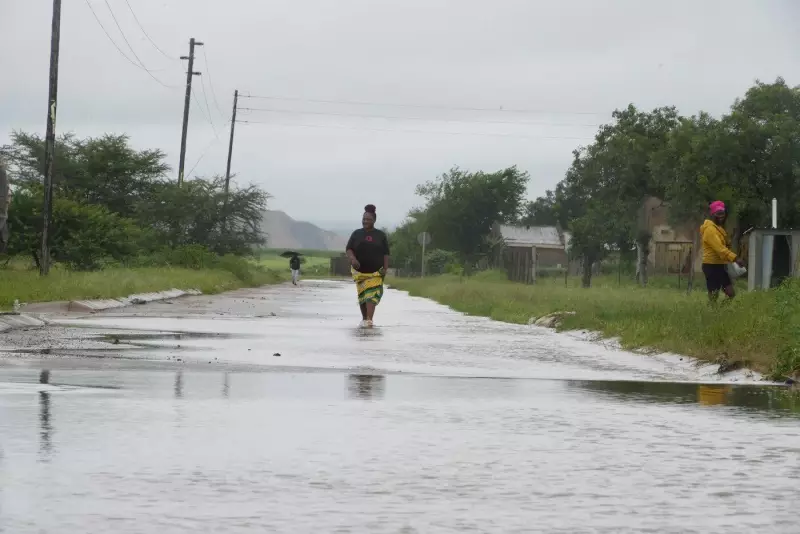
Images and reports from the affected regions depict scenes of severe disruption. In one striking example, residents were photographed walking through deep floodwaters in Nkomazi, located in the Mpumalanga Province, on Friday, January 16, 2026. The visual evidence underscores the immediate and dangerous impact on daily life, with infrastructure compromised and communities isolated by the rising waters.

A Broader Pattern of Extreme Weather
This disaster in South Africa is not an isolated incident but appears to be part of a larger, troubling pattern of extreme weather affecting the southern African region. Reports indicate that more than 100 people have died in recent days due to torrential rain and floods across southern Africa. The scale of the tragedy highlights the increasing vulnerability of communities to intense weather systems, which scientists frequently link to the broader effects of climate change.
The national disaster declaration focuses government action on several critical fronts: immediate search and rescue operations, providing temporary shelter and essential supplies to displaced families, assessing the full extent of damage to homes, roads, and bridges, and beginning the long-term planning for recovery and reconstruction. The priority remains safeguarding human life and stabilizing the situation in the hardest-hit areas.
Implications and the Path Forward
As emergency crews work around the clock, the declaration signals a prolonged period of national focus on recovery. The economic cost is expected to be substantial, with agricultural lands submerged, transportation networks severed, and businesses interrupted. The event will likely prompt further discussions on climate resilience and infrastructure investment in regions prone to such extreme weather events.
For now, the people of South Africa face the arduous task of cleaning up and rebuilding in the wake of the floods. The national disaster status is a crucial tool in that effort, unlocking the necessary support for a nation grappling with the immediate aftermath of a severe natural disaster and the complex challenges of climate adaptation.