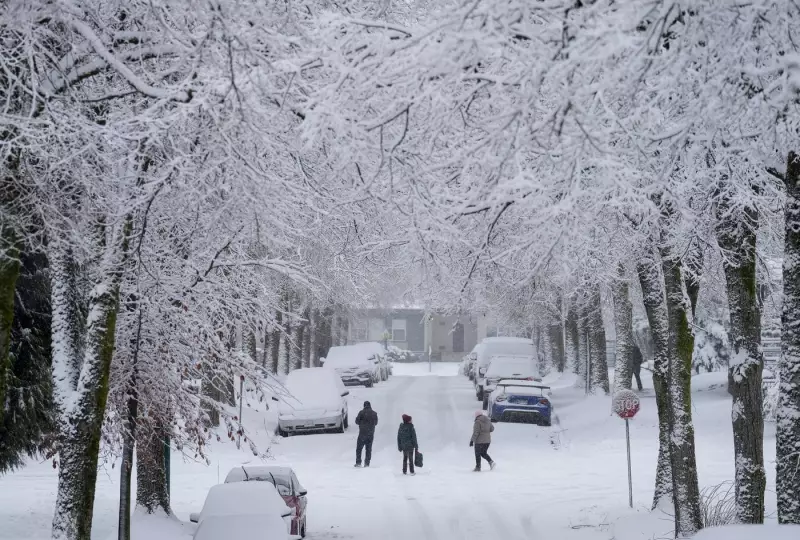
Environment Canada has issued official snowfall warnings for sections of northern British Columbia and the Yukon, signalling the arrival of a significant winter storm system. The alerts, which were active as of December 27, 2025, warn residents of hazardous conditions and potential travel disruptions.
Affected Regions and Expected Conditions
The weather warnings are specifically in effect for communities across northern B.C. and parts of the Yukon Territory. Meteorologists are forecasting heavy snowfall, with accumulations that could significantly impact visibility and road safety. The system is expected to bring blowing snow, creating whiteout conditions in some areas and making travel particularly dangerous.
While the immediate focus is on the northern regions, the weather event is part of a broader pattern of wintry conditions affecting Canada post-Christmas. The warnings come just days after a separate blowing snow advisory was ended for the city of Calgary, illustrating the dynamic and widespread nature of this winter's weather systems.

Safety Precautions and Travel Advisories
Authorities are urging residents in the affected zones to exercise extreme caution. Rapidly accumulating snow will make travel difficult, and visibility may be suddenly reduced at times. Drivers are advised to consider postponing non-essential trips until conditions improve.
If travel is necessary, motorists should ensure their vehicles are equipped with winter tires and an emergency kit containing blankets, food, water, and a flashlight. Pedestrians should also be vigilant, as sidewalks and pathways may become slippery and obscured. The public is encouraged to monitor updated forecasts and warnings from Environment Canada for the latest details on snowfall rates and the duration of the event.
Broader National Weather Context
This storm system contributes to a wintery scene across the nation, following a Boxing Day that saw snow, freezing rain, and extreme cold grip many parts of Canada. The current warnings highlight the ongoing challenges and risks presented by the season's weather, from coastal regions to the northern territories.
As the year 2025 draws to a close, these conditions serve as a reminder for all Canadians to stay informed about local weather alerts and to prepare their homes and vehicles for winter's unpredictability. Community safety remains the top priority as this system moves through the northern landscapes.