A snow squall watch has been issued for the city of Toronto, with Environment Canada warning residents of impending flurries and significant blowing snow. The alert comes as part of a broader pattern of hazardous winter weather affecting Ontario.
Widespread Hazardous Conditions Across Ontario
The Ontario Provincial Police have issued a stark warning to motorists about dangerous driving conditions expected to persist throughout the day. Snow squalls are forecast to reduce visibility dramatically, potentially causing sudden whiteouts on highways and major roads. Authorities are advising against non-essential travel in affected regions.
Environment Canada's forecast indicates another day of intense snow squall activity for parts of the province. The weather agency specifically highlighted the risk for areas including Toronto, where localized heavy snow and strong winds will combine to create treacherous situations for commuters and residents alike.

Regional Impacts and Safety Advisories
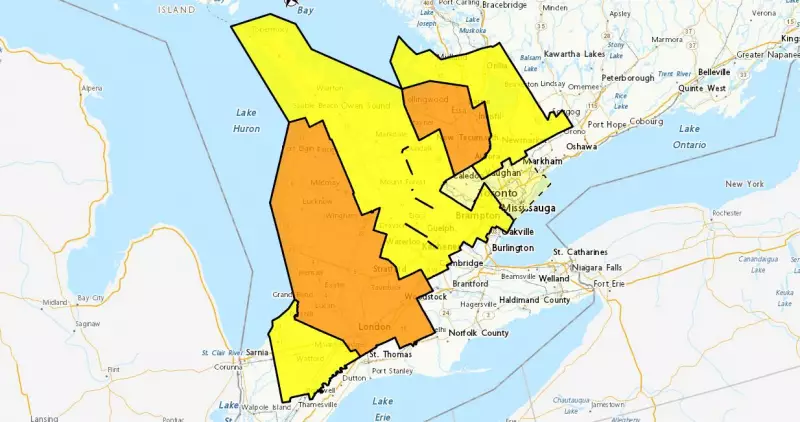
The alert system in Central Ontario has been activated, utilizing colour-coded warnings to communicate the severity of the ongoing snow storms. This system is designed to give the public clear and immediate information about evolving weather threats.
In response to the conditions, several municipalities have taken proactive measures. Parking bans have been enacted in Kitchener, Waterloo, Cambridge, and Wilmot Township to allow for effective snow clearing operations. Police also reported a wrong-way driver incident on Highway 7/8 in Kitchener, underscoring the increased risks during such weather events.
Broader Context of Winter Weather
This latest round of winter weather follows a period of cold temperatures returning to Ottawa and aligns with forecasts predicting that winter storms will continue to hammer parts of Ontario and Quebec. The situation serves as a reminder of the powerful and disruptive potential of Canadian winter systems.
Officials are urging the public to monitor weather updates closely, prepare for rapidly changing conditions, and exercise extreme caution if travel is necessary. Residents are advised to have emergency kits in their vehicles and to allow for extra travel time. The combination of heavy snow, blowing snow, and reduced visibility creates a high-risk environment for accidents and strandings.