Winter Weather Alerts Issued for Waterloo Region as Snow Squalls Threaten
Environment Canada has placed Waterloo Region under a snow squall watch and a blowing snow advisory, signaling the arrival of hazardous winter conditions. The alerts, issued on January 27, 2026, warn residents of potentially severe weather that could disrupt travel and daily activities across the area.
Forecast Details and Expected Impacts
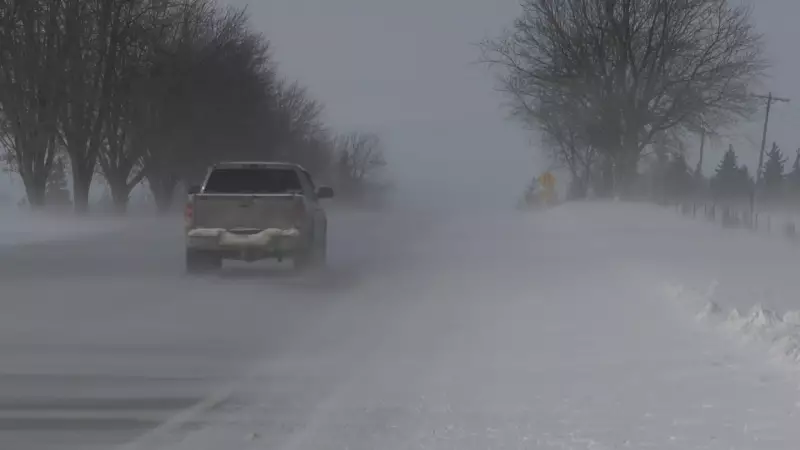
Meteorologists are predicting that snow squalls could dump up to 30 centimetres of snow in localized areas, accompanied by strong winds that may lead to blowing snow and drastically reduced visibility. Near-zero visibility conditions are anticipated, particularly in open and rural parts of the region, such as near Arthur, where similar scenes were observed in previous years.
These weather phenomena pose significant risks for drivers, as sudden whiteouts can make roads treacherous. Authorities are advising motorists to exercise extreme caution, consider postponing non-essential travel, and ensure vehicles are equipped with winter tires and emergency kits. The combination of heavy snowfall and gusty winds could also result in localized power outages and school or business closures.

Broader Context and Regional Weather Patterns
This alert comes as an Arctic cold front moves through the region, bringing the possibility of record-breaking cold temperatures. The snow squall watch is part of a larger pattern of winter storms affecting parts of Canada, with other areas reporting flight delays, highway closures, and extreme cold warnings.
Local officials are monitoring the situation closely and may issue further updates as conditions evolve. Residents are encouraged to stay informed through official channels and prepare for potential disruptions. Simple precautions, such as keeping walkways clear and checking on vulnerable neighbours, can help mitigate the impacts of this winter blast.
While the focus is on immediate safety, these events highlight the importance of winter readiness in Canadian communities. As climate patterns shift, such extreme weather occurrences may become more frequent, underscoring the need for robust infrastructure and public awareness campaigns.