Oil Markets Reach October Peak Amid Geopolitical and Weather Pressures
Global oil markets experienced a significant surge this week, with prices climbing to their highest levels since October as traders navigated a complex landscape of geopolitical risks and domestic supply disruptions. The convergence of multiple factors has created a volatile environment for energy commodities, with implications for both producers and consumers.
Geopolitical Tensions Drive Risk Premium
United States President Donald Trump's recent comments about military movements in the Middle East have injected fresh uncertainty into oil markets. On Tuesday, Trump noted that a "flotilla" was headed to the region while expressing his preference that "rather not see anything happen." This statement comes amid ongoing tensions between the U.S. and Iran, which have historically influenced global energy markets through their impact on Middle Eastern stability.
The options market has reflected this geopolitical uncertainty, with a bullish call skew in U.S. futures maintaining its position for nearly two weeks. This represents the longest such stretch since October 2024, indicating sustained investor concern about potential disruptions. Market participants frequently utilize options as a relatively cost-effective hedge against unpredictable geopolitical developments that could affect global supply chains.

Winter Storm Disrupts U.S. Refinery Operations
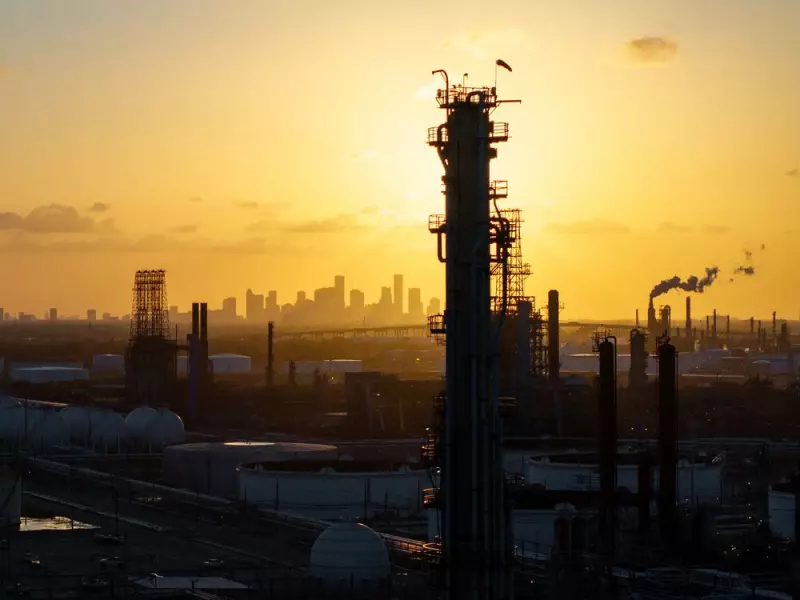
Simultaneously, severe winter conditions across the United States have created operational challenges for the domestic energy sector. Freezing temperatures have disrupted numerous refineries along the Gulf Coast and temporarily reduced domestic output. While analysts suggest these weather-related impacts are unlikely to be prolonged, they have contributed to immediate supply concerns in North American markets.
The cold snap initially drove a powerful rally in natural gas futures, though prices retreated on Tuesday as market conditions adjusted. Diesel futures in New York similarly experienced volatility in response to the weather patterns affecting refinery operations and distribution networks.
Market Fundamentals and Price Movements
West Texas Intermediate crude, the U.S. benchmark, gained 2.9 percent to settle above US$62 per barrel. This price movement occurred alongside a decline in the U.S. dollar, which fell to its lowest level in four years amid investor caution about domestic policymaking. A weaker dollar typically enhances the appeal of commodities priced in the currency, providing additional support for oil prices.
The current market rebound has unfolded despite widespread expectations of a supply glut, highlighting how specific disruptions can override broader market predictions. Setbacks to Kazakh exports had previously tightened European markets, while ongoing U.S. threats against Iran have maintained a persistent risk premium in global pricing structures.
Global Supply Developments and OPEC+ Outlook
Concerns about Kazakh supplies have moderated somewhat as a key Black Sea terminal resumed operations. The country's largest producer is preparing to restart output at the massive Tengiz field, though production is expected to restore less than half of normal capacity by February 7 according to industry reports. This gradual recovery is limiting downward pressure on prices that might otherwise result from increased supply.
Elsewhere in global markets, Chevron Corporation is working to bring additional Venezuelan crude to international markets. U.S. officials are reportedly developing a general license that would lift certain sanctions on Venezuela's energy sector, potentially increasing available supply in a market that currently appears well-provisioned.
The Organization of the Petroleum Exporting Countries and its allies, known as OPEC+, are scheduled to meet this weekend to review output policy for the coming month. Early indications suggest the group is expected to maintain current production levels, with no immediate signs of needing to respond to developments in member countries Venezuela and Iran according to one delegate familiar with the discussions.
As these various factors continue to evolve, market participants remain attentive to both geopolitical developments and fundamental supply dynamics that could influence energy prices in the weeks ahead.