Ontario Premier Demands Public Boycott of Chinese Electric Vehicles
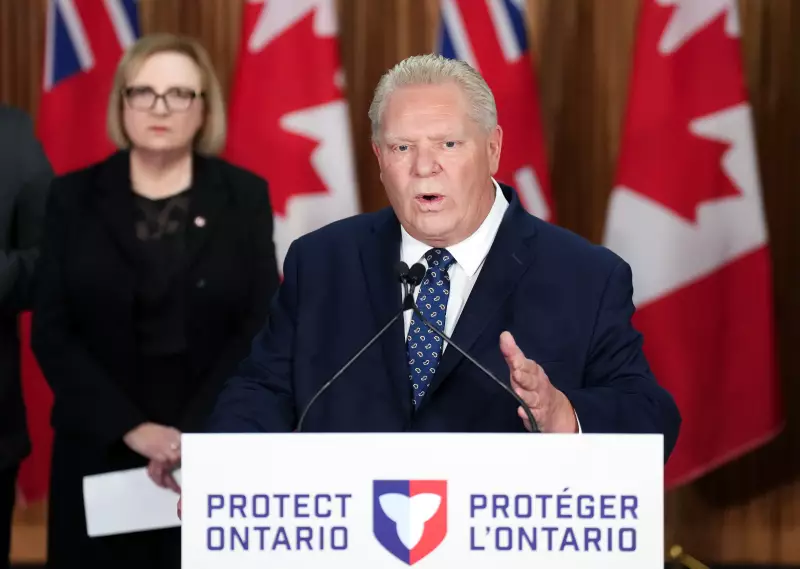
In a strongly worded statement delivered at Queen's Park in Toronto, Ontario Premier Doug Ford has called upon Canadian citizens to actively boycott Chinese-manufactured electric vehicles (EVs). This dramatic appeal comes as a direct response to the federal government's recent decision, under Prime Minister Carney, to permit the import and sale of these vehicles within the Canadian market.
A Firm Stance Against Federal Policy
Premier Ford, speaking to assembled media on Wednesday, January 21, 2026, expressed profound disagreement with the federal agreement. He framed the issue as one of economic sovereignty and national interest, arguing that allowing Chinese EVs could undermine domestic automotive manufacturing and related industries. His call for a consumer boycott represents an unusual and confrontational step by a provincial leader against federal trade policy.
The premier's remarks highlight a significant political rift between the Ontario government and the federal administration in Ottawa. This dispute centers on the future of the automotive sector, a cornerstone of Ontario's economy, and the broader strategic direction of Canada's trade relationships and industrial policy.

Context and Broader Implications
The federal deal to allow Chinese EVs into Canada is part of a larger, complex global shift towards electrified transportation. However, Ford's opposition underscores concerns about market competition, job security in traditional manufacturing hubs, and the geopolitical dimensions of relying on foreign technology. The premier's boycott plea is designed to mobilize public opinion and consumer behavior to pressure the federal government to reconsider its position.
This development occurs amidst other national news, but Ford's focused critique places the EV policy squarely in the spotlight. The call for a boycott is not merely a symbolic gesture; it seeks to directly impact market dynamics and send a clear message about provincial priorities regarding trade and industry.
The situation continues to evolve, with potential repercussions for Canada's international trade relations, its domestic political landscape, and the strategic planning of automakers and consumers alike. Premier Ford's stance sets the stage for further debate and possible policy adjustments as the implications of the federal decision become clearer.