Snow Squall Warnings Issued for Key Northern Ontario Cities
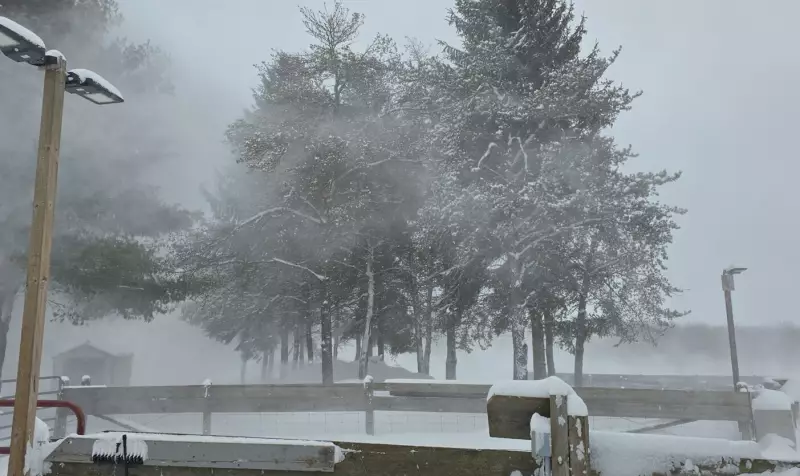
Environment Canada has issued snow squall warnings for the cities of Sudbury and Sault Ste. Marie in Northern Ontario, effective immediately. These warnings indicate conditions conducive to heavy, localized snowfall and significantly reduced visibility, posing hazards for travelers and residents alike.
Forecast Details and Regional Impact
CTV News weather specialist Rick Wyman has detailed the seven-day weather forecast for northeastern Ontario, highlighting the persistent nature of this winter weather system. The snow squalls are expected to bring intense bursts of snow, driven by strong winds, which can lead to rapid accumulation on roads and sidewalks.
Key areas affected include:

- Sudbury and surrounding regions
- Sault Ste. Marie and adjacent communities
- Parts of northeastern Ontario experiencing lake-effect snow
Residents are advised to exercise caution when venturing outdoors, as visibility may drop suddenly to near-zero levels during the squalls. Motorists should prepare for treacherous driving conditions, including slippery roads and potential whiteouts.
Broader Weather Context Across Canada
This warning comes amid a series of winter weather events across the country. For instance, southern Saskatchewan is also forecasted to experience high winds and blowing snow, while Ontario has seen school bus cancellations and closures due to similar conditions. The timing aligns with ongoing concerns about infrastructure, such as street sanding, as highlighted by a recent car crash incident.
Environment Canada emphasizes that snow squalls can be unpredictable and may intensify quickly, requiring residents to stay updated through official channels. The warnings underscore the importance of winter preparedness in Northern Ontario, where such weather patterns are common but still demand vigilance.
As the situation develops, local authorities may issue further advisories regarding travel restrictions or safety measures. This event serves as a reminder of the dynamic and often harsh winter climate in Canada, impacting daily life and necessitating proactive community responses.