Carney's Davos Speech Marks an End to Canada's Era of American Subordination
By Sharan Kaur
Published: January 21, 2026 at 10:46 AM EST
Prime Minister Mark Carney's recent address at the World Economic Forum in Davos has sparked significant analysis, with many observers interpreting it as a bold declaration of Canada's strategic independence from the United States. In a detailed breakdown, political analyst Sharan Kaur argues that this speech effectively marks the conclusion of a long period of Canadian subordination to American foreign and economic policy. The Prime Minister's forceful advocacy for middle-power unity and a more assertive global stance suggests a fundamental shift in how Ottawa intends to operate on the world stage.

A Commanding Presence and a Clear Message
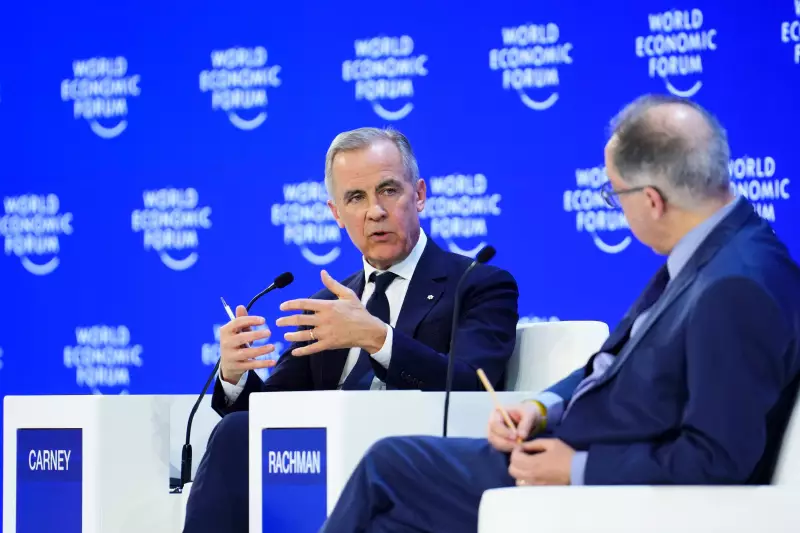
Carney, a former central banker with deep international credibility, reportedly commanded the room in Davos with a speech that blended economic pragmatism with a renewed sense of national purpose. Analysts note that his delivery and the substance of his remarks were designed to project confidence and autonomy. Rather than aligning closely with traditional allies by default, the Prime Minister emphasized the need for nations like Canada to forge coalitions based on shared interests, particularly around issues like climate policy, digital governance, and sustainable trade. This "elbows up" approach, as some have termed it, indicates a willingness to defend Canadian priorities more vigorously, even when they diverge from those of its southern neighbor.
The Push for Middle-Power Unity
A central pillar of Carney's Davos message was the call for greater unity among middle-power nations. This strategy seeks to amplify Canada's influence by collaborating with other countries that possess significant economic or diplomatic weight but are not superpowers. Kaur suggests this is a deliberate move to diversify Canada's partnerships and reduce its historical reliance on the United States for security and economic leadership. By building bridges with nations in Europe, Asia, and the Indo-Pacific, Canada aims to create a more multipolar and resilient international order where it can play a defining role.
Global Reactions and Domestic Implications
The speech has drawn global attention, with some international commentators praising it as "the best speech by a world leader... in a very long time." However, it also prompted a direct, warning-laden response from former U.S. President Donald Trump during his own Davos remarks, highlighting the potential for friction. Domestically, this new foreign policy posture will likely influence upcoming cabinet meetings in Quebec City and set the tone as Parliament resumes. It represents a significant evolution from Canada's often cautious diplomatic history, suggesting that the Carney government is prepared to embrace a more independent and proactive role in confronting global challenges, thereby definitively ending an era of American subordination.