Peru Declares State of Emergency in Hundreds of Districts Following Devastating Floods
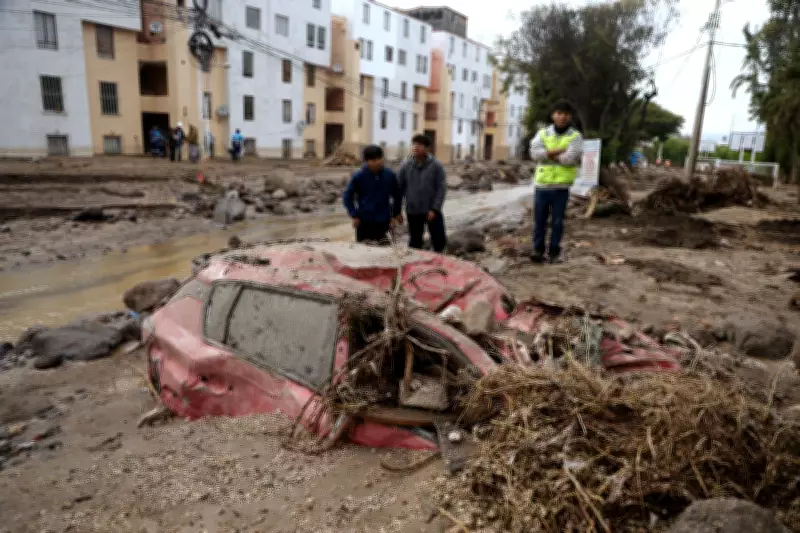
Peru has officially declared a state of emergency for hundreds of districts across the country in response to severe rains and catastrophic flooding that have wreaked havoc on infrastructure and communities. The announcement comes after intense precipitation triggered widespread inundation, particularly impacting regions like Arequipa, where roads have been destroyed and local residents are facing significant disruptions.
Widespread Damage and Infrastructure Collapse
The heavy rainfall, which began in late February 2026, has led to flash floods that have overwhelmed drainage systems and caused substantial damage to transportation networks. In Arequipa, a major city in southern Peru, video footage shows residents inspecting a road completely destroyed by the flooding, highlighting the scale of the destruction. The state of emergency declaration enables the government to mobilize resources more swiftly for disaster response and recovery efforts, including emergency aid and infrastructure repairs.
Government Response and Emergency Measures
Under the state of emergency, Peruvian authorities are prioritizing the safety and well-being of affected populations. This includes deploying military and civil defense units to assist with evacuations, provide shelter, and distribute essential supplies such as food, water, and medical aid. The declaration also facilitates the allocation of federal funds to rebuild damaged areas and implement preventive measures against future flooding events.

- Destruction of critical roadways and bridges, isolating some communities.
- Displacement of families due to inundated homes and unsafe conditions.
- Disruptions to agricultural activities, potentially affecting food security.
- Increased risk of waterborne diseases and health crises in flood-affected zones.
Climate Context and Future Preparedness
This incident underscores Peru's vulnerability to extreme weather events, which are often exacerbated by climate change. The country has experienced similar flooding in past years, prompting calls for enhanced disaster preparedness and resilient infrastructure. Experts emphasize the need for long-term strategies, such as improved urban planning and early warning systems, to mitigate the impacts of such natural disasters in the future.
As recovery efforts get underway, the Peruvian government is urging residents in high-risk areas to remain vigilant and follow official safety guidelines. The state of emergency is expected to remain in effect until conditions stabilize and the immediate threats posed by the flooding are adequately addressed.