Atlantic Canadians are facing a frigid introduction to the new year, with temperatures plunging across the Maritime provinces. The chilly conditions follow a December that was notably colder and saw more snow than average in parts of Eastern Canada, according to federal meteorological data.
A December of Deep Freeze and Snow
Data from Environment and Climate Change Canada confirms that December brought a significant chill. For cities like Ottawa, the month was both colder and snowier than usual, setting the stage for the icy start to January. This pattern of persistent cold and precipitation has defined the winter season's opening act for many communities.
Coastal Communities Confront the Cold
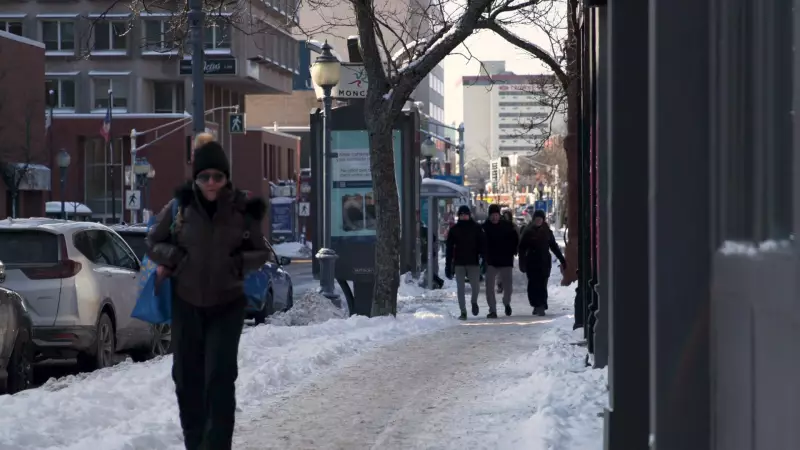
From urban centres to coastal towns, residents are adapting to the harsh conditions. The scene in Moncton, New Brunswick, on a January day epitomizes the widespread freeze, with locals layering up against the biting winds. The cold air mass gripping the region is a stark reminder of the potent Canadian winter, even in areas near the Atlantic coast.

Broader Weather Warnings Across the Nation
This Maritime cold snap is part of a broader pattern of active winter weather across the country. Forecasters have issued alerts for freezing rain and icy conditions in various provinces, urging caution on roads and sidewalks. Meanwhile, other regions are dealing with their own extreme weather events, from earthquakes along the Alaska-Yukon border to mountain lion concerns in Colorado.
As thermometers hover at low marks, the focus for many is on staying warm and safe. The combination of a documented colder December and a frosty January beginning underscores the intensity of this winter period for eastern Canadians.