U.S. Senator Warns of Uncertainty Following Death of Iran's Supreme Leader
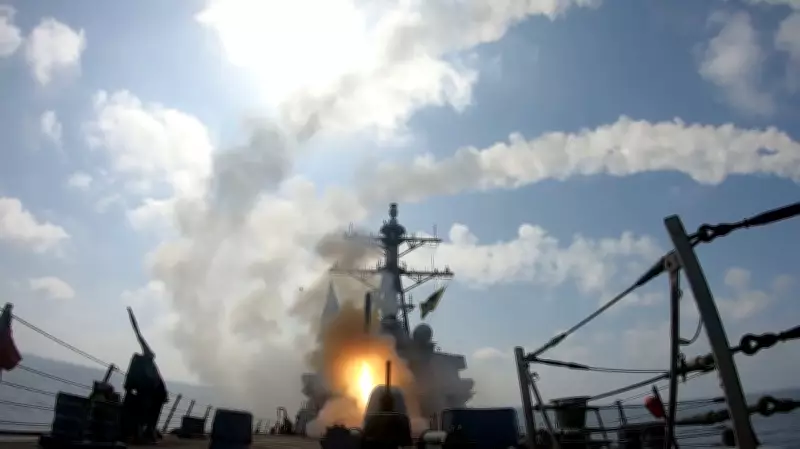
A prominent U.S. senator has raised serious concerns about the unpredictable political landscape in Iran following the death of Ayatollah Ali Khamenei, who ruled the country for thirty-six years. The warning comes amidst escalating tensions in the Middle East, triggered by recent joint military strikes conducted by the United States and Israel against Iranian targets.
Escalating Military Conflict in the Region
Former U.S. President Donald Trump announced what he described as "major combat operations in Iran," characterizing the nation as "the principal source of instability and terror throughout the Middle East." Military analysts have noted that the current targeting strategies employed by U.S. and Israeli forces represent a significant departure from previous engagements, suggesting a more aggressive and expansive approach to the conflict.
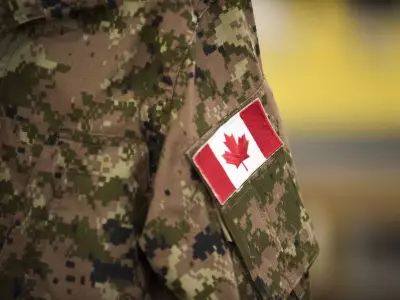
Retired General David Fraser commented on the evolving situation, stating, "It's a vast difference in the targeting than in the past." Meanwhile, Canada is expected to assume a limited role in the ongoing Middle East conflict following the attacks on Iran, according to statements from retired military officials.

International Reactions and Domestic Protests
World leaders have urgently called for a return to diplomatic negotiations in the wake of the strikes that resulted in Khamenei's death. In Pakistan, violent protests erupted outside the U.S. Consulate, leading to at least nine fatalities as demonstrators expressed outrage over the killing of Iran's supreme leader.
Within Canada, the Iranian community has responded with mixed emotions. In Winnipeg, community members expressed that they had "been waiting for this for a long time," while Iranians in Regina voiced hope for the future of their homeland following the leadership change. Meanwhile, thousands of protesters in Quebec demonstrated against the province's participation in the federal gun buyback program, adding to domestic political tensions.
Broader Implications and Regional Stability
The U.S. senator's warning underscores the profound uncertainty surrounding Iran's political future. With Khamenei's decades-long rule abruptly ended, questions abound regarding potential succession struggles, shifts in regional alliances, and the possibility of intensified conflict. The situation has already impacted global markets, with oil prices experiencing volatility due to supply uncertainties stemming from the military strikes.
As the international community watches developments closely, the death of Iran's supreme leader marks a pivotal moment in Middle Eastern geopolitics, with ramifications that could extend far beyond the region's borders. The coming weeks and months will likely reveal whether diplomatic channels can be reopened or if further military escalation will define the post-Khamenei era in Iran.