Timmins Hosts Landmark Rural Medicine Symposium Focusing on Acute Care Advancements
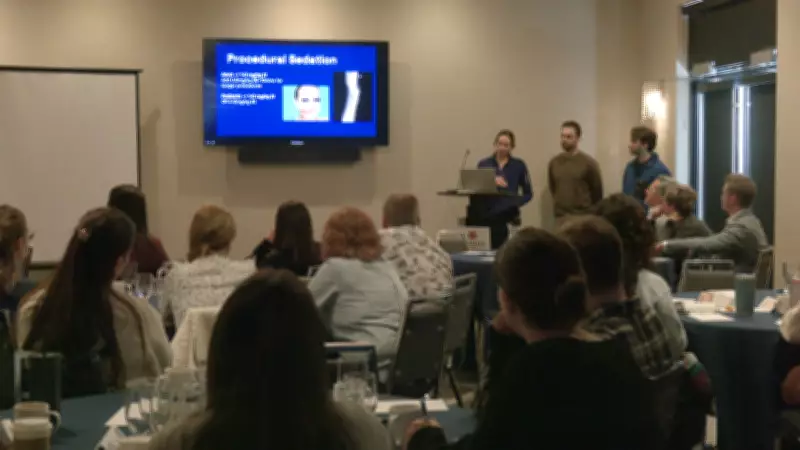
In a significant development for healthcare in remote regions, physicians from across Northern Ontario converged in Timmins for a dedicated rural medicine symposium. This marked the first in-person gathering of its kind since the COVID-19 pandemic, highlighting a renewed commitment to addressing the unique challenges of delivering acute medical services in sparsely populated areas.
Post-Pandemic Focus on Rural Healthcare Infrastructure
The symposium served as a crucial platform for medical professionals to exchange insights, strategies, and innovations specifically tailored to rural acute care. Discussions centered on improving emergency response capabilities, enhancing diagnostic resources, and optimizing patient transfer protocols in regions where healthcare facilities are often hours apart.
With rural communities frequently facing physician shortages and limited access to specialized services, the event emphasized collaborative approaches to bridge these gaps. Participants explored telemedicine integrations, community paramedicine models, and training programs designed to equip local healthcare providers with advanced acute care skills.

Addressing the Unique Demands of Northern Ontario
Northern Ontario's vast geography and harsh climate present distinct obstacles for timely medical interventions. The symposium tackled these issues head-on, examining:
- Logistical challenges in transporting critically ill patients over long distances.
- Strategies for maintaining adequate medical supplies and equipment in isolated clinics.
- Recruitment and retention initiatives to attract healthcare professionals to rural postings.
- Integrating Indigenous health perspectives and traditional practices into acute care frameworks.
The gathering also reviewed lessons learned from the pandemic, where rural areas often experienced delayed access to critical care resources. This reflection informed forward-looking policies aimed at building more resilient healthcare systems capable of withstanding future public health crises.
Building a Sustainable Future for Rural Medicine
Beyond immediate acute care concerns, the symposium fostered dialogue on long-term sustainability. Topics included funding models for rural healthcare, partnerships with academic institutions for ongoing training, and leveraging technology to create virtual support networks among dispersed medical teams.
As the event concluded, participants expressed optimism about the collaborative momentum generated. The Timmins symposium not only reaffirmed the dedication of healthcare professionals serving rural populations but also laid groundwork for tangible improvements in acute care delivery across Northern Ontario. With plans already underway for follow-up meetings, this initiative signals a proactive step toward ensuring equitable healthcare access for all residents, regardless of their geographic location.