A dense and persistent fog shrouded Metro Vancouver on the final day of 2025, creating potentially dangerous conditions for residents and travelers. Environment Canada warned that visibility could drop to near zero in some areas, posing a significant hazard for evening celebrations and road travel.
Widespread Visibility Issues Across the Region
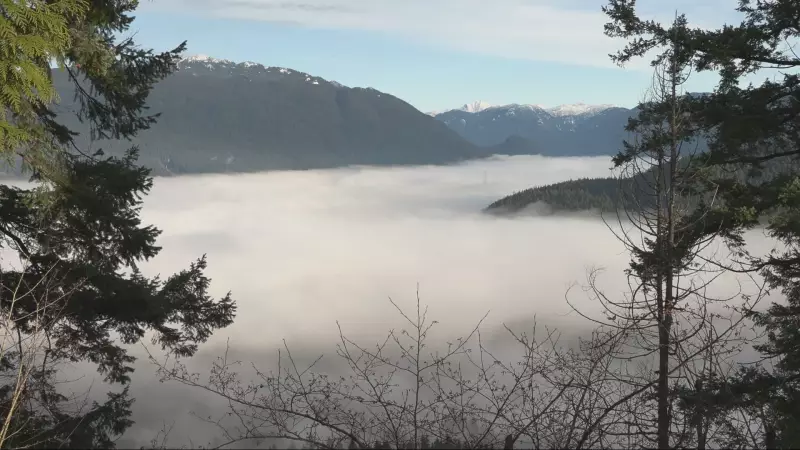
The fog was captured in a striking image from Burnaby Mountain on the afternoon of December 31, 2025. The blanket of mist engulfed landmarks and thoroughfares, reducing sightlines for drivers and pedestrians alike. Weather officials emphasized that such conditions can change rapidly, with patches of extremely dense fog forming without much warning.
This meteorological event coincided with a busy travel period as people prepared for New Year's Eve festivities. The advisory served as a critical reminder for drivers to use extreme caution, including using low-beam headlights, increasing following distance, and slowing down significantly.

Safety Precautions for Drivers and Pedestrians
With visibility potentially dropping to just a few meters, the risk of multi-vehicle collisions increases substantially. Authorities urged people to consider postponing non-essential travel until the fog lifted. For those who had to drive, recommendations included:
- Using fog lights if equipped, but avoiding high beams which cause glare.
- Completely avoiding the use of cruise control.
- Listening for traffic you cannot see at intersections.
- Pedestrians were advised to wear reflective clothing and cross only at designated areas.
The fog's timing was particularly problematic, as it threatened to impact plans for outdoor gatherings and fireworks displays planned to welcome 2026. Event organizers were monitoring conditions closely for any necessary safety adjustments.
Context and Regional Weather Patterns
Fog is a common occurrence in Metro Vancouver during the fall and winter months, often formed by temperature inversions that trap moist air near the ground. The situation on December 31st was a classic example of this phenomenon, where calm winds and clear skies overnight allowed the air near the surface to cool rapidly and reach saturation.
While the fog created a serene, almost ethereal landscape from vantage points like Burnaby Mountain, at ground level it translated into a serious travel disruption. The advisory remained in effect through the afternoon and evening, with hopes that a forecasted change in wind patterns would eventually scour out the mist.
As the city prepared to ring in the new year, the pervasive fog added an unexpected element to the final hours of 2025, underscoring the powerful influence of local geography and weather on daily life in coastal British Columbia.