Climatologist Issues Stark Warning: Canada's Winter Season Has Much More in Store
A prominent Canadian climatologist is delivering a sobering message to the nation: winter is far from finished with Canada. Despite enduring recent bitter cold spells and significant snowfall events, experts warn that the season still holds considerable challenges ahead. This caution comes as many Canadians, particularly in eastern and central regions, grapple with the realities of a harsh winter that has already tested infrastructure and personal resilience.
Prolonged Cold and Snowfall Expected to Continue
The climatologist emphasized that atmospheric patterns suggest a continuation of below-average temperatures and above-average precipitation for several weeks. "We still have a lot of winter to go," the expert stated, pointing to historical data and current modeling that indicates typical late-winter and early-spring conditions often bring some of the most severe weather. This includes the potential for:
- Additional major snowstorms with accumulations exceeding 30 centimeters
- Prolonged periods of extreme wind chills, potentially dipping below -40 degrees Celsius
- Freezing rain events that create hazardous travel conditions
- Temperature swings that can stress both natural and built environments
Recent Events Highlight Ongoing Vulnerabilities
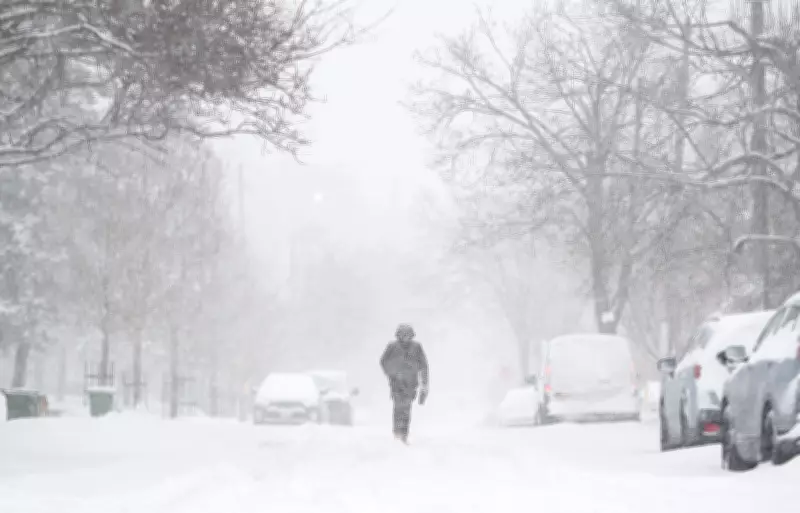
The warning follows several notable winter incidents across the country that illustrate the ongoing impacts of severe cold. In Ottawa, Environment Canada recently issued warnings for wind chills reaching -35 to -40, while the city previously declared a significant weather event during a February storm that dropped 30-40 centimeters of snow with near-zero visibility. Similar conditions have affected other regions, from freezing rain alerts in Saskatchewan to extreme cold warnings throughout Ontario.

These events underscore the importance of continued preparedness even as winter progresses. Municipalities, transportation networks, and residents are advised to maintain winter readiness protocols, including:
- Ensuring adequate supplies of road salt and snow-clearing equipment
- Maintaining emergency kits with essentials for power outages
- Checking on vulnerable community members during extreme cold
- Preparing vehicles for winter driving conditions
Broader Climate Context and Regional Variations
While eastern Canada faces deep freezes, the climatologist noted that regional variations remain significant. Recent weather patterns have seen milder conditions in parts of British Columbia and Alberta, even as Ontario experiences severe cold—a pattern influenced by shifts in the jet stream. This disparity highlights Canada's complex climate geography, where different regions can experience dramatically different winter conditions simultaneously.
The expert's warning serves as a reminder that winter preparedness should not wane as the season progresses. With several weeks of potential winter weather remaining, Canadians are encouraged to stay informed through Environment Canada forecasts and local advisories, recognizing that the coldest and snowiest periods sometimes arrive in late winter or early spring.