Ottawa Jail Inquest Calls for Enhanced Mental Health Care and Communication Protocols
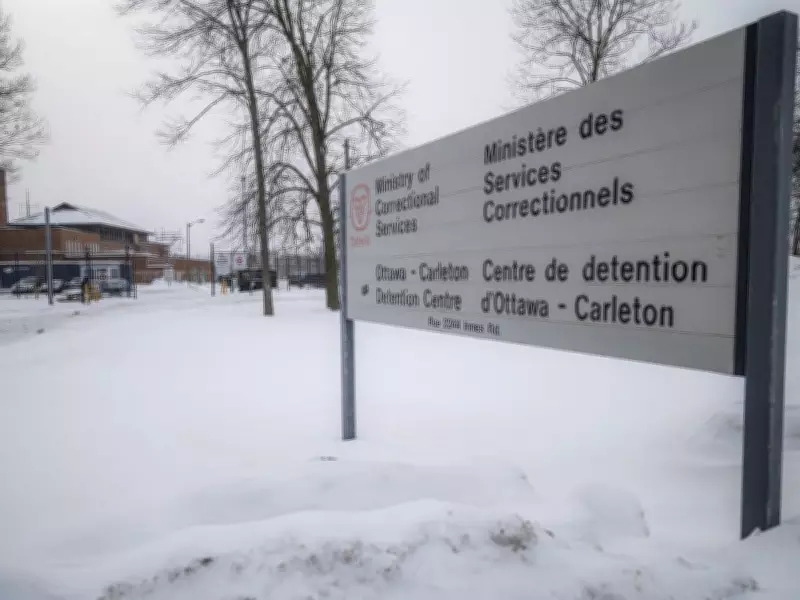
A coroner's inquest jury has issued a series of recommendations aimed at improving mental health care and communication protocols for long-term inmates at the Ottawa-Carleton Detention Centre. The recommendations follow the investigation into the death of Taher Hashemi, a 49-year-old businessman who died by suicide on August 24, 2021, while awaiting trial at the facility.
Inquest Findings and Recommendations
The four-person jury, which concluded its proceedings on February 4, 2026, after commencing on February 2, made five non-binding recommendations primarily directed at the detention centre. The key proposals emphasize the need for better mental health resources tailored to long-term inmates and enhanced communication among health-care professionals involved in inmate care.
The recommendations include:

- Improving communication of court dispositions or notable proceedings to health-care teams for inmates in stabilization or health-care units.
- Ensuring that relevant minutes from health-care planning for high-risk inmates are documented and accessible to all members of the inmate's health-care team.
- Proactively providing recreational materials such as sudoku, newspapers, reading material, and crossword puzzles to inmates.
- Developing health-care plans for long-term inmates with persistent mental-health challenges that consider their length of stay and upcoming court dates.
- Re-assessing room implements, including bedding and light fixtures, to remove potential risks of self-harm.
Background on Taher Hashemi's Case
Taher Hashemi was charged on December 12, 2017, with attempted murder of his wife, aggravated assault, assault with a weapon, and possession of an offensive weapon. Prior to his arrest, he was described as living a relatively normal and successful life with his wife and daughter. However, the jury heard that he began displaying irrational behavior and paranoia in 2016 or 2017, including accusations of infidelity against his wife and fears of being spied on.
Denied bail, Hashemi spent nearly four years at the Ottawa-Carleton Detention Centre awaiting trial. Upon admission, he was immediately flagged as a suicide risk and placed in the suicide block. Between December 2017 and July 2021, he was assessed by medical professionals, including primary care physicians, psychologists, social workers, mental-health nurses, and registered nurses, approximately five to ten times per month.
During this period, he was intermittently placed on suicide watch and enhanced supervision. On July 15, 2021, a psychologist canceled the suicide precaution after a 30-minute assessment and recommended that Hashemi be placed in a cell alone. He was transferred to the detention centre's health-care unit 13 days later.
Final Days and Death
Between July 16 and August 23, 2021, Hashemi was seen 12 times by health-care professionals at the facility. On August 23, 2021, he pleaded guilty to attempted murder, assault, and aggravated assault, with the court case adjourned for a month for sentencing.
Three days later, correctional officers found him unresponsive in his cell. Lifesaving efforts by health-care professionals and paramedics were unsuccessful, and he was pronounced dead at 8:49 a.m. on August 24, 2021. A forensic pathologist determined the cause of death as hanging.
Implications for Correctional Facilities
The inquest highlights critical gaps in mental health care and inter-professional communication within correctional settings. The jury's recommendations underscore the importance of tailored support for long-term inmates, particularly those facing extended pre-trial detention and persistent mental-health issues. By advocating for better documentation, proactive recreational opportunities, and safety assessments, the findings aim to prevent similar tragedies in the future.
This case serves as a poignant reminder of the complex challenges faced by inmates with mental health conditions and the urgent need for systemic improvements in correctional health care.