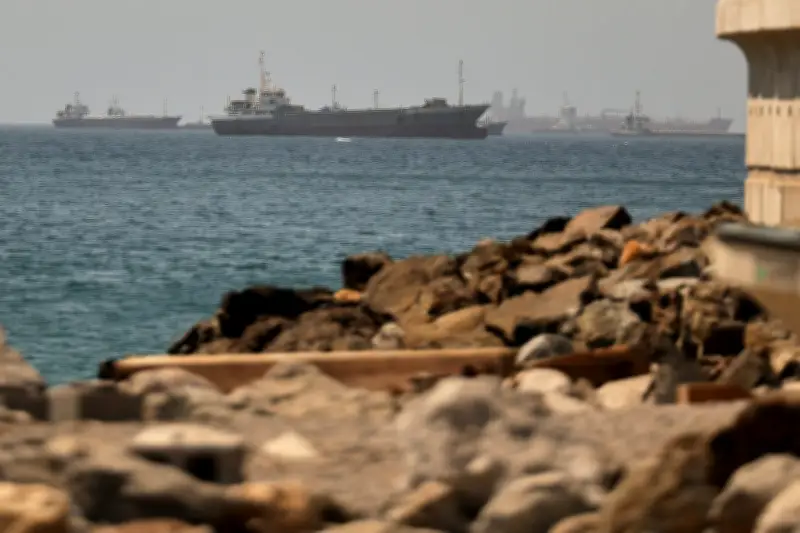
Ship traffic through the Strait of Hormuz has reached its highest level since the beginning of the Mideast conflict, according to a maritime tracking firm. The increase comes as Iran threatens to close the strategic waterway in retaliation for Israeli strikes on Lebanon.
Traffic Surge Details
The tracking firm reported that the number of vessels transiting the strait in recent weeks has surpassed any period since hostilities began. The data indicates a steady rise in commercial shipping, including oil tankers and cargo vessels, despite heightened geopolitical tensions.
Iran has repeatedly warned it could block the Strait of Hormuz, through which about 20% of the world's oil passes, as a retaliatory measure. However, the latest traffic figures suggest that shippers and insurers are continuing to operate, possibly due to the presence of naval patrols or diplomatic assurances.

Geopolitical Context
Israel launched a series of airstrikes on Lebanon earlier this month, prompting Iran to threaten closure of the strait. The U.S. and allied navies have increased their presence in the region to ensure freedom of navigation. According to analysts, the threat has not yet materialized into actual disruption, but the risk remains high.
“The situation is fluid, and any escalation could instantly reverse the current traffic trends,” said a maritime security expert. The tracking firm noted that insurance premiums for vessels in the region have spiked, but so far, traffic has not declined.
Economic Impact
A prolonged closure of the Strait of Hormuz would have severe consequences for global energy markets, potentially driving oil prices above $150 per barrel. The current traffic surge may reflect a rush to move cargo before any potential blockade. The tracking firm's data shows that tanker traffic from Saudi Arabia, Iraq, and the UAE has increased notably.
“We are monitoring the situation closely,” a spokesperson for the International Maritime Organization said. “The safety of seafarers and the free flow of commerce are our top priorities.”