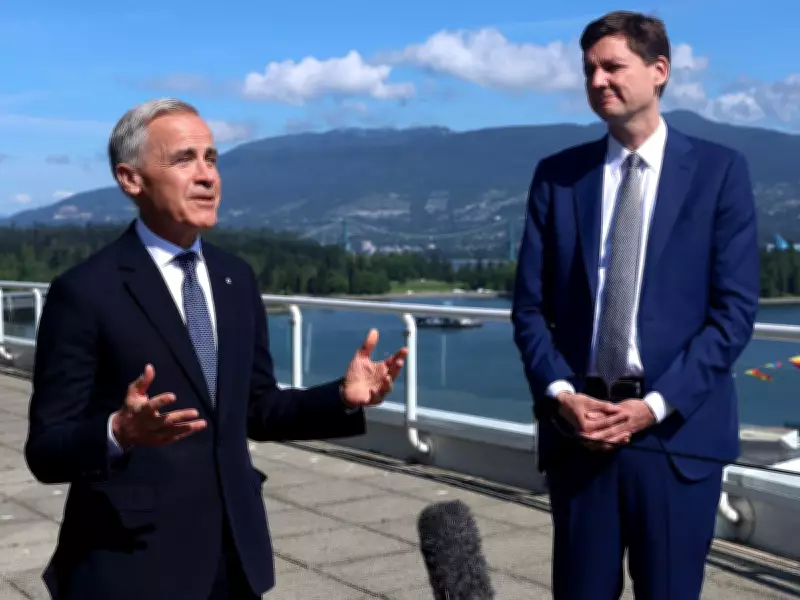
Prime Minister Mark Carney has proposed a new oil pipeline to British Columbia's coast, aiming to export crude to Asian markets. In a speech to the Greater Vancouver Board of Trade, Carney emphasized that the project would bring substantial economic and financial benefits to the province, despite opposition from B.C. Premier David Eby.
Conditions for the Pipeline
Carney outlined three conditions for the pipeline's construction: it must benefit British Columbia, include a massive carbon capture project, and involve consultation with Indigenous peoples. He stressed that the federal government is committed to listening to concerns but warned that delays could lead to increased focus on other regions.
Background and Context
Last Friday, Alberta signed an energy deal with Carney, paving the way for the pipeline, which would carry 1 million barrels of crude per day to the west coast. The project faces environmental and Indigenous resistance in B.C. Carney also plans to discuss a national harmonized levy on carbon with Premier Eby, following Alberta's deal that set a lower carbon price benchmark.

Premier Eby has criticized the Canada-Alberta deal as rewarding separatist behavior, referencing Alberta Premier Danielle Smith's separatist threats. Eby stated, "This country cannot work if separatists get all the attention of the federal government."
Carney's address highlighted the need for progress, stating, "If things get stalled here, we're going to be spending more time elsewhere in the country, because we need to move forward." The proposed pipeline remains a contentious issue, balancing economic growth with environmental and Indigenous rights concerns.