The federal and British Columbia governments have announced a joint program to acquire 2,200 empty condominium units and convert them into affordable housing, sparking debate over whether the initiative represents a feasible solution to the housing crisis or a bailout for struggling developers.
Program Details and Initial Reactions
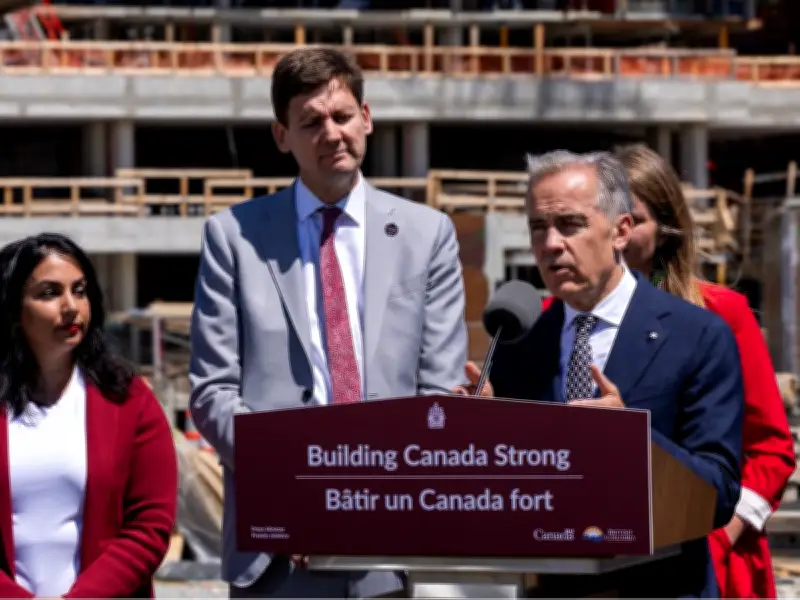
Prime Minister Mark Carney and Premier David Eby unveiled the plan on June 18 in Vancouver's River District. Under the arrangement, the two levels of government will purchase unsold condos and repurpose them as affordable rental housing. Jon Stovell, president and CEO of Reliance Properties, said he has been advocating for such a program for some time. He noted that while his company does not hold a large inventory of unsold units, many of his colleagues are eager to off-load them at below-market prices. "If they pay too much, then you know you can make an argument that they're bailing a developer out. If they pay less, it's a more defensible deal," Stovell said.
Criticism from Opposition and Industry
Federal Conservative Leader Pierre Poilievre strongly criticized the program, calling it a bailout for what he termed the "Liberal club of power brokers." Speaking to reporters in Vancouver on Saturday, Poilievre urged the government to cancel the initiative. Urban Development Institute CEO Mike Drummond expressed a different concern, stating he would have preferred that the federal government replicate its Ontario approach by eliminating the HST on all new homes. In B.C., this would mean expanding the GST rebate to all buyers, not just first-time homebuyers. Drummond argued that such a move would help sell existing units and give developers confidence to advance new projects.

Lack of Details Raises Questions
Ryan Berlin, chief economist and vice-president of intelligence at Rennie Intelligence, noted that the scarcity of program details makes it difficult to assess its potential success. Key unknowns include whether the units will be located solely in Vancouver or provincewide, and whether governments will approach developers to select specific units or simply purchase the cheapest available. "Obviously we're talking about introducing these homes as rental, that is what it sounds like, but what is affordable? Is it just that they are market rental that makes them affordable or is there some sort of framework for discounting the rents from market?" Berlin asked. He added that the federal government likely does not have these details finalized, as officials have indicated more information will come in the fall.
Industry Perspective on Cost and Speed
Proponents argue that buying existing units is significantly cheaper and faster than building new affordable housing from scratch. Construction of new affordable homes typically takes years and costs substantially more per unit. By purchasing already completed condos, the government can bypass lengthy planning, permitting, and building phases. Stovell emphasized that if the government negotiates below-market prices, the deal could be defensible as a cost-effective use of public funds.