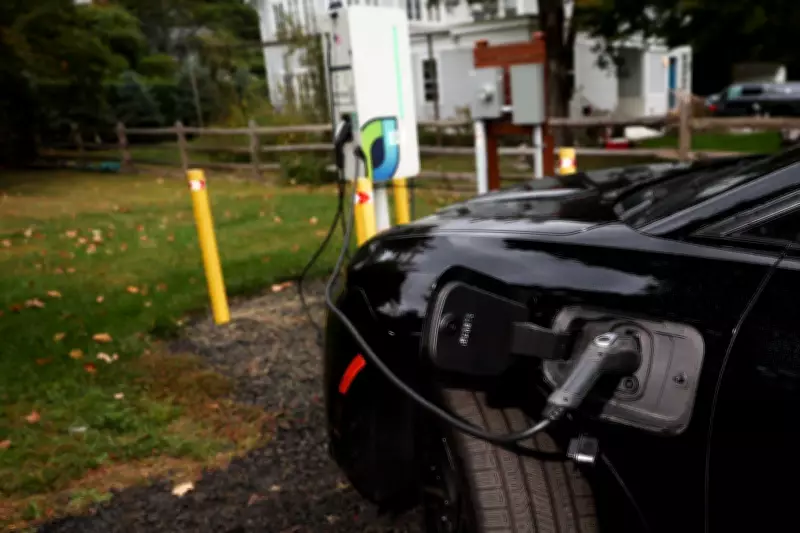
Trump Administration's New Roadblocks Threaten Hot EV Charging Infrastructure Build-Out
The rapid expansion of electric vehicle charging infrastructure across the United States has maintained significant momentum, but the Trump administration is now introducing new regulatory obstacles that could impede this critical progress. This development poses a potential threat to the nation's transition toward cleaner transportation and energy independence.
Surging EV Charging Network Faces Political Hurdles
Electric vehicle adoption has been accelerating, driving a corresponding boom in charging station deployment. From urban centers to highway corridors, the build-out has been described as "staying hot" by industry observers, with investments pouring in from both private companies and public initiatives. However, this positive trajectory is encountering fresh challenges from federal policymakers.
The administration's new roadblocks include proposed regulatory changes that could slow permitting processes, alter funding eligibility criteria, and introduce additional compliance burdens for charging station developers. These measures come despite growing consumer demand for EVs and bipartisan support for infrastructure development in many regions.

Impact on Clean Transportation Goals
Analysts warn that these administrative hurdles could delay the achievement of national clean transportation targets. A robust and accessible charging network is essential for alleviating range anxiety among potential EV buyers and supporting the millions of electric vehicles expected on American roads in the coming decade.
The timing is particularly concerning as many states and municipalities have set ambitious goals for phasing out gasoline-powered vehicles. Any slowdown in charging infrastructure deployment could undermine these efforts and prolong dependence on fossil fuels.
Industry Response and Future Outlook
EV industry leaders have expressed cautious optimism that the fundamental economics driving charging infrastructure expansion will prevail despite political headwinds. The private sector's substantial investments in this space may provide some insulation against policy shifts, but smaller developers and projects relying on federal support could face disproportionate impacts.
As the situation develops, stakeholders are closely monitoring how these new roadblocks will affect:
- Timelines for charging station construction and activation
- Geographic distribution of charging infrastructure
- Cost structures for both providers and consumers
- Long-term confidence in EV market growth
The coming months will reveal whether the EV charging build-out can maintain its hot streak or if these new administrative challenges will significantly cool progress toward a comprehensive national charging network.