B.C. Government Adjusts Zero-Emission Vehicle Mandate as Sales Decline
The British Columbia government has significantly scaled back its ambitious plan to phase out gas-powered vehicles, moving away from a previous mandate that would have required all new light-duty vehicles sold to be zero-emission by 2035.
Revised Targets and Policy Alignment
On Wednesday, B.C. Energy Minister Adrian Dix announced that the province will amend its 2019 Zero-Emission Vehicles Act, lowering the 2035 target from 100% to 75% zero-emission vehicle sales. This adjustment brings provincial regulations in line with recent federal goals and aims to provide more flexibility for consumers and automakers.
The ministry emphasized that this alignment will reduce regulatory burdens on manufacturers while addressing challenges such as supply chain disruptions and U.S. tariffs that have slowed consumer adoption. The government confirmed that interim targets, including a 26% sales requirement for 2026 and 2027, will remain unchanged.

Industry and Consumer Response
Blair Qualey, CEO of the New Car Dealers Association, welcomed the changes as a step in the right direction, noting that the revision reflects growing concerns about the gap between policy ambitions and market realities. Qualey stated that flexibility is crucial and policies must evolve alongside consumer behavior rather than precede it.
However, not all stakeholders are satisfied. Barry Penner, former B.C. Liberal MLA and chair of the Energy Futures Institute, argued that the government should repeal the act entirely. He criticized the mandate for driving up vehicle costs and limiting consumer choice, describing the revised target as an admission that the original policy was overly ambitious.
Sales Trends and Market Realities
Recent data highlights the challenges facing zero-emission vehicle adoption in B.C. According to a report from the Energy Futures Institute:
- Hybrid vehicle sales increased from 8.5% in 2023 to 20.9% in 2029.
- Zero-emission vehicle sales declined from 22.8% to 18.3% during the same period.
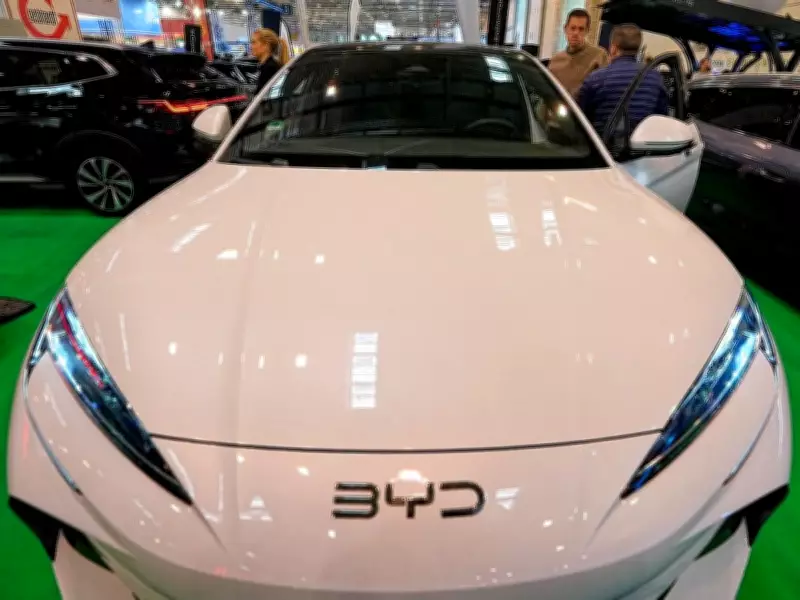
Currently, there are approximately 230,000 zero-emission vehicles on B.C. roads, which include electric, hydrogen-powered, and plug-in hybrid models. Most hybrids sold in the province are not plug-in variants, further complicating efforts to meet aggressive sales targets.
Looking Ahead
The provincial government maintains that the revised mandate strikes a balance between environmental goals and practical considerations. Automakers are required to report sales data annually through the Zero-Emission Vehicles Reporting System, ensuring ongoing monitoring of progress.
As B.C. navigates this policy shift, the debate continues over how best to accelerate the transition to sustainable transportation while addressing economic and consumer concerns.