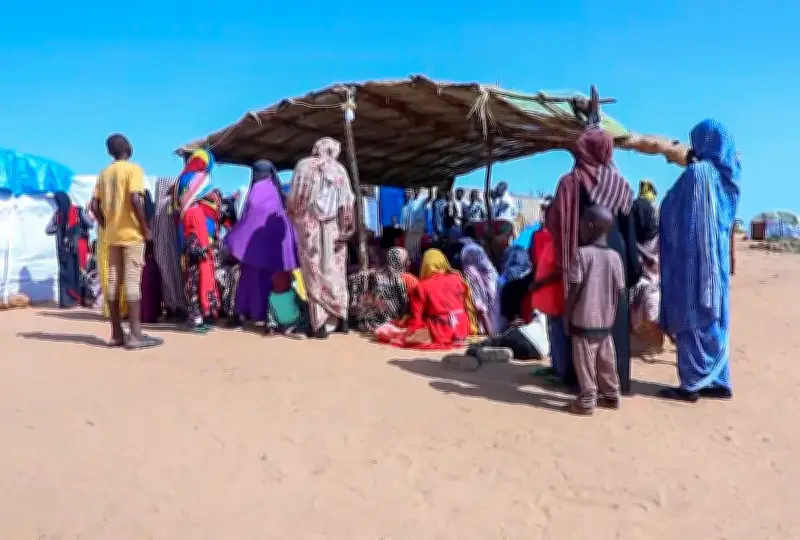
The United Nations has announced that approximately 2.4 million refugees will need resettlement in 2027, a stark reminder of the escalating global displacement crisis. This projection underscores the urgent need for countries to step up their commitments to provide safe haven for those fleeing conflict, persecution, and environmental disasters.
Rising Numbers and Global Impact
The UN's estimate marks a significant increase from previous years, driven by ongoing conflicts in regions such as Sudan, Ukraine, and the Middle East, as well as the growing impacts of climate change. The figure represents a call to action for the international community to share responsibility and offer durable solutions for refugees.
According to the UN Refugee Agency (UNHCR), resettlement is a critical lifeline for the most vulnerable refugees, including survivors of violence, those with medical needs, and children at risk. However, the number of resettlement places available globally has not kept pace with demand.

Challenges and Opportunities
The announcement comes amid a backdrop of political challenges in many host countries, where anti-immigrant sentiment and strained resources have led to stricter border controls. Yet, experts argue that resettlement can benefit both refugees and host communities, bringing economic contributions and cultural diversity.
Canada, a traditional leader in refugee resettlement, has been urged to maintain its humanitarian commitments. The country has a history of welcoming refugees, but recent policy shifts and public opinion have raised concerns about future capacity.
A Call for International Cooperation
The UN is calling on all nations to expand their resettlement programs and provide funding for integration services. Without collective action, the number of refugees in need will continue to grow, exacerbating humanitarian crises and regional instability.
As the world faces unprecedented displacement, the 2027 target serves as a benchmark for measuring global solidarity. The international community must act now to ensure that no refugee is left without hope for a new beginning.