Trudeau's Post-Political Lifestyle Fuels Climate Hypocrisy Criticism
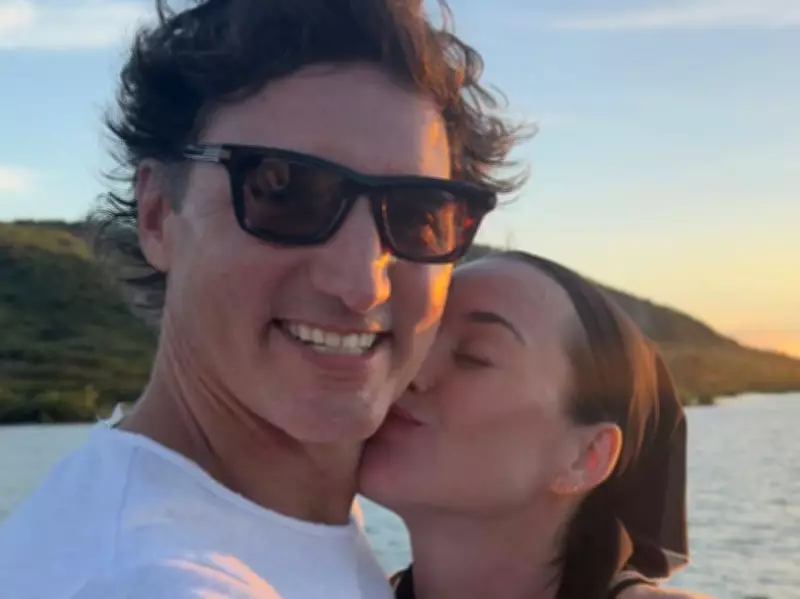
If you want to understand why Justin Trudeau's climate change policies were more about virtue signaling than actual virtue, look no further than his life after politics. Between purchasing a $4.26-million mansion in Montreal's affluent Outremont borough and gallivanting around the world with pop star Katy Perry, Trudeau has become a living postcard of excessive consumption that climate activists routinely condemn.
A Tale of Two Worlds: Advocacy vs. Action
To be clear, Trudeau is perfectly entitled to live a lifestyle of the rich and famous post-prime ministership. This includes yachting with Perry on California's golden coast and various high-profile appearances in Paris, Japan, and Davos. However, these examples of Trudeau living his best life illustrate a fundamental problem in global climate efforts.
Political leaders and other elites who advocate for small carbon footprints for everyone else often demonstrate an unwillingness to practice what they preach. As the article notes, "rules for thee, but not for me" is precisely the wrong approach if you want to convince the world to adopt low-carbon lifestyles.

Canada's Climate Target Shortfalls
The Trudeau government's record on climate change has been characterized by ambitious rhetoric without corresponding results. Prime Minister Mark Carney himself acknowledged this reality, telling the CBC that Canada is not on track to meet its 2030 and 2035 climate targets under Trudeau's plan. Carney cited "too much regulation" and "not enough action" with plenty of talk "and then nothing happens."
According to the Canadian Climate Institute, Canada won't reach its 2050 target either—an obvious conclusion when interim targets for 2026, 2030, and 2035 remain unmet. This pattern extends back decades, with no federal government—Liberal or Conservative—ever meeting a single emission reduction target set since 1988 under then-Prime Minister Brian Mulroney.
The Cost of Unachievable Targets
What makes the Trudeau government's approach particularly noteworthy is the massive financial commitment to unachievable goals. More than $200 billion of taxpayer money was allocated to 149 measures across 13 government departments in a bid to meet emission reduction targets that were fundamentally unattainable under existing policies.
This raises serious questions about government accountability. In 2023, the federal environment department under then-Minister Steven Guilbeault claimed Canada was "on track to exceed 20% emissions reductions below 2005 levels by 2026." This assertion was quietly abandoned just two years later when reality proved otherwise.
The Paris Agreement and Global Hypocrisy
Technically, Canada remains committed to the emission reduction path Trudeau agreed to when signing the UN's 2015 Paris climate treaty. This agreement was created by the UN's Framework Convention on Climate Change, which ironically holds massive annual meetings in world-class tourist resorts where global elites arrive via private jets while preaching messages of restraint and reduced consumption.
While Prime Minister Carney has scrapped many of Trudeau's climate policies—including the consumer carbon tax—he has yet to fully outline his own "climate competitiveness strategy." Key components remain undefined, including a proposed "carbon border adjustment mechanism" that would impose tariffs on imported goods from countries deemed insufficiently committed to climate action.
Looking Ahead: Can Commitments Become Reality?
Carney has publicly committed to achieving Canada's Paris Agreement targets, declaring to Parliament: "I can confirm to this House that we will respect our Paris commitments for climate change and we're determined to achieve them." The challenge now lies in translating this determination into concrete, effective policies that avoid the pitfalls of previous approaches.

The fundamental question remains: How can political leaders credibly advocate for climate action while their personal lifestyles demonstrate the very excesses they purport to combat? Trudeau's post-political carbon footprint serves as a potent symbol of this contradiction, highlighting the need for greater alignment between rhetoric and reality in environmental policy.