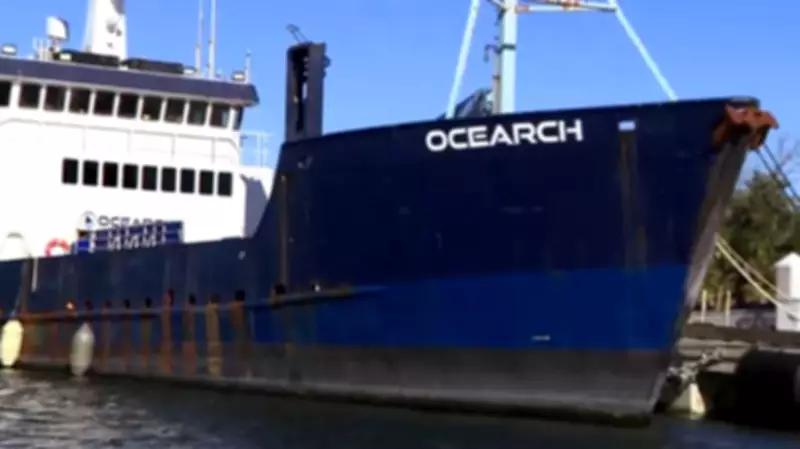
OCEARCH founder Chris Fischer emphasized the importance of collaboration in shark research, as these marine predators are being used as ocean sensors to aid hurricane studies. By attaching sensors to sharks, scientists can collect valuable data on ocean temperature, salinity, and currents, which are critical for understanding and predicting hurricane behavior.
The initiative leverages the natural movements of sharks across vast oceanic regions, providing real-time data that traditional buoys and satellites cannot easily capture. This innovative approach enhances the accuracy of hurricane models, potentially saving lives and reducing property damage.
How Shark Sensors Work
Sharks are fitted with small, non-invasive tags that record environmental data as they swim. These tags transmit information via satellite when the sharks surface, allowing researchers to monitor ocean conditions continuously. The data collected includes temperature profiles and salinity levels, which influence hurricane formation and intensity.

Collaboration with OCEARCH
OCEARCH, a nonprofit organization dedicated to shark research, has been instrumental in deploying these sensors. Chris Fischer noted that partnerships with meteorologists and climate scientists are essential to maximize the benefits of this technology. The collaboration aims to integrate shark-derived data into existing hurricane forecasting systems.
Impact on Hurricane Forecasting
Early results show that shark sensor data improves the prediction of hurricane tracks and intensity. By filling gaps in ocean observations, this method helps refine models used by agencies like the National Hurricane Center. The initiative also contributes to broader climate research, as ocean conditions are key to understanding global weather patterns.
- Sharks provide data from remote ocean areas where traditional instruments are sparse.
- The sensors are designed to be harmless to the sharks and do not affect their behavior.
- Data is shared with research institutions worldwide to improve hurricane preparedness.
This innovative use of marine life underscores the potential of animal-assisted research in addressing environmental challenges. As hurricane seasons become more severe due to climate change, such approaches may become increasingly vital.