Two Saskatchewan experts are raising questions about Premier Scott Moe's claims that extending the lifespan of coal plants will be the best investment for the province, rather than moving toward gas plants and renewables.
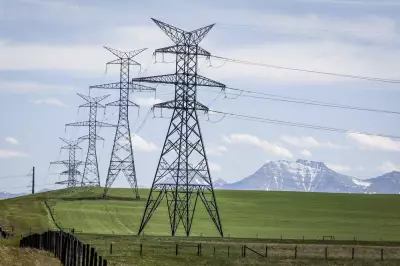
The province has doubled down on coal, while the federal government is shifting toward gas and renewables. It comes as Ottawa has announced a new National Electricity Strategy that aims to double the capacity of Canada's grid by 2050.
The extension of coal plants remained a hot topic on the last day of Saskatchewan's spring legislature sitting on Thursday.

National Strategy Highlights Gas Role
The new national electricity plan outlines the strategic role of natural gas, especially in Western Canada, which provides a level of operational flexibility that complements wind and solar renewables. The strategy remains silent on Saskatchewan's efforts to prolong coal power.
Cost Discrepancies Emerge
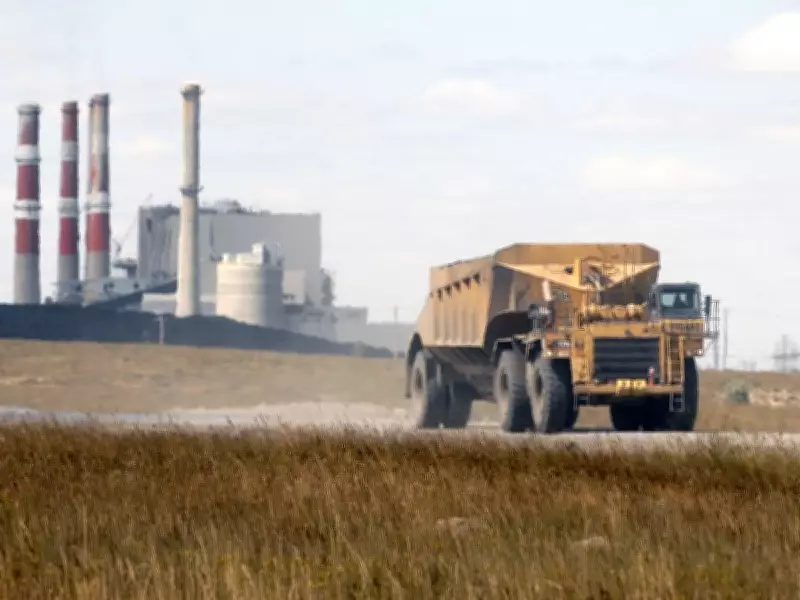
In October 2025, Moe's government outlined its plan to extend the lifespan of coal power plants until 2050, framing coal as an affordable bridge to nuclear energy. In recent days, Sask. Party members and SaskPower CEO Rupen Pandya have said the capital costs of refurbishing the province's coal plants total $2.6 billion.
But on May 6, the provincial NDP leaked a SaskPower slideshow deck that projected a total cost of $26 billion for the extension. That total was broken down into a $393 million initial capital sustainment investment, $11.4 billion for the 25-year extension, $1.4 billion for transmission costs and $13 billion for fuel costs.
Carbon Pricing Concerns
Brett Dolter, a professor of economics at the University of Regina who specializes in Saskatchewan's electricity policy, says potential carbon pricing costs, which were not included in the leaked projections, are notable.
"Coal-fired electricity is the dirtiest form of electricity we can produce, which means it has a lot of CO2 emissions, and if you put a price on those, it's very expensive," he said.
"A coal plant might be 1080 tons of CO2 per gigawatt hour of electricity. A gas plant is going to be about a third of that, and then if you take a gas plant and only run it in tandem with wind and solar, then your emissions are even lower."
The federal government and Alberta also recently settled on a path to approving a new oil pipeline by September 2027. The deal involves an effective industrial carbon tax rate of $130 per tonne, which, on May 15, was confirmed to take effect by 2040.
Premier Defends Coal
When asked how coal remains the most affordable power option at a media scrum on May 14, Moe doubled down, saying it is "without a doubt" the cheapest option.
Dolter has used the leaked $26 billion total to compare the cost of extending coal's lifespan with other natural gas plant development scenarios. Based on those figures, he says the alternatives are consistently cheaper, even when accounting for fluctuations in natural gas prices.