In a historic moment for global climate discussions, Punjab, Pakistan's most populous province, will make its debut on the world stage at the upcoming COP 30 climate conference in Belem, Brazil. Chief Minister Maryam Nawaz Sharif is leading a high-level delegation to present the province's innovative approach to climate action and environmental protection.
Punjab's Climate Transformation Journey
The province of Punjab, home to 130 million citizens, has embarked on an ambitious climate resilience program following recent environmental challenges. The region faced devastating super floods that affected three major rivers and thousands of hill torrents, highlighting the urgent need for comprehensive climate preparedness.
Under Chief Minister Maryam Nawaz's leadership, Punjab has developed a multi-faceted response that combines technology, innovation, and inclusive governance. The province's approach demonstrates how data-driven policy and scientific solutions can create effective climate adaptation strategies.

Key Initiatives Showcasing Climate Leadership
At the Punjab Pakistan Pavilion, CM Maryam Nawaz will highlight several groundbreaking environmental programs that position the province as a global model for climate action:
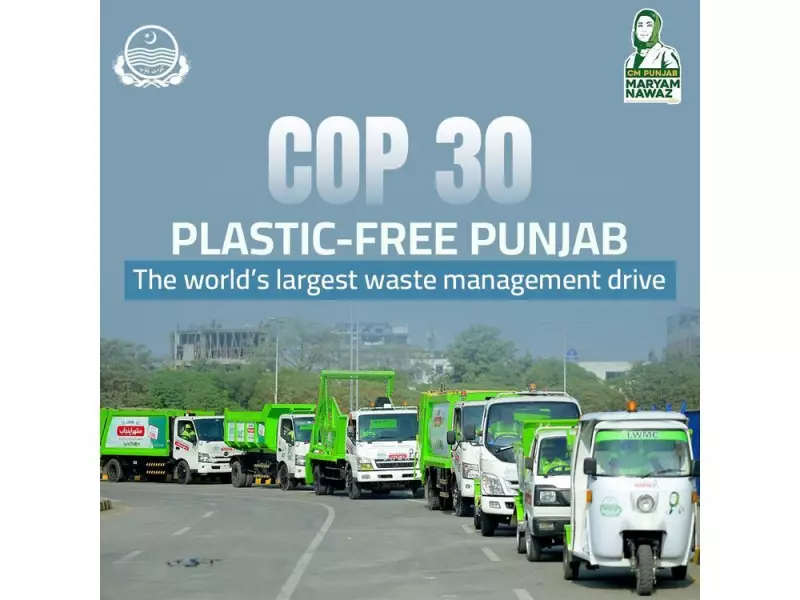
Suthra Punjab represents one of the world's largest solid waste management programs, transforming urban sanitation and waste recycling on an unprecedented scale. This initiative addresses critical infrastructure needs while promoting sustainable urban development.
The province's air quality leadership program utilizes advanced technology including drones, thermal cameras, and safe city surveillance systems for real-time smog monitoring and mitigation. This comprehensive approach tackles one of the region's most pressing environmental health concerns.
Punjab has established the first dedicated Forest Protection Force in the region, complemented by advanced wildfire management technology. This commitment to forest and wildlife protection underscores the province's holistic approach to environmental conservation.
The climate action framework extends to sustainable urban and rural development, integrating climate considerations into every major development project. Additionally, the province is advancing e-mobility and clean energy initiatives to support a green transition across transportation and energy sectors.
A Model for Global Climate Resilience
Chief Minister Maryam Nawaz emphasized the shared responsibility for environmental protection, stating that "Punjab's story is one of resilience, innovation, and hope" during her address to stakeholders and media. She highlighted how proactive governance can transform climate challenges into opportunities for leadership.
The province's response to environmental crises has included rescuing millions of people and livestock, implementing transparent digital relief systems, and investing in early warning and disaster mitigation technologies. This comprehensive approach reflects a model of climate resilience rooted in science and data-driven policy.
Punjab's participation at COP 30 marks a significant milestone, positioning the province not merely as a region affected by climate change, but as an active contributor to global solutions. The delegation aims to collaborate with international leaders, innovators, and scientists to develop scalable climate solutions that can benefit regions worldwide facing similar environmental challenges.