Ontarians wagered a staggering $103 billion online over the last year, producing $4.3 billion in revenue for 76 licensed sites, with 20 per cent of their take going to the government. The legalization of Internet-based sports betting and casino gambling in 2022 has led to a sharp rise in gambling-related suicides, bankruptcies, and addiction, according to data obtained by the National Post. Now, Alberta is set to launch a similar program on July 13, prompting concerns about a repeat of Ontario’s experience.
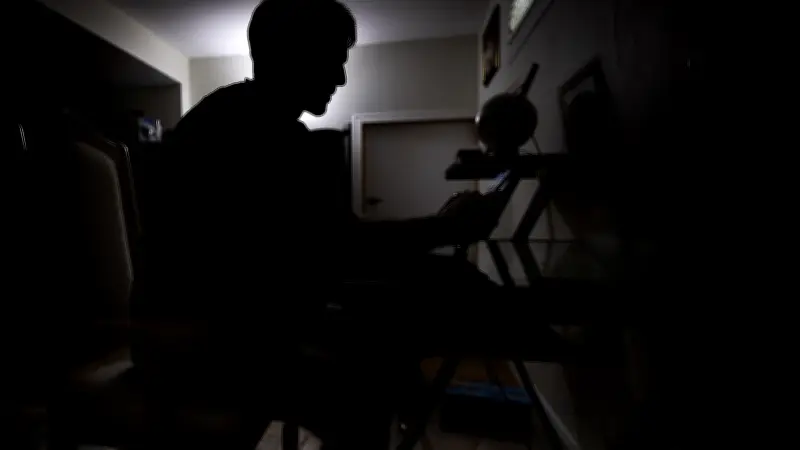
A medical student identified as Phil, who did not want his last name published, racked up $400,000 in gambling debt from online sports betting before admitting his addiction to loved ones and seeking treatment. He would sleep in his car while completing clinical rotations in the United States because his rent money was consumed by his gambling habit. “There was a homeless woman inside one of the Panera Breads, and I just stared at her as I’m sitting there with my books, trying to study the best I can, truly struggling with everything,” Phil recalled. “I remember thinking, ‘I am jealous of this person, how they can just exist.’ … Which is crazy.”
Rise in Problem Gambling and Suicides
A federally funded survey in 2024 suggested that one in three young Canadians had gambled online, and almost 70 per cent of those met criteria for problem gambling. Another study pointed to a near-doubling of calls to Ontario’s problem-gambling help lines. Bankruptcies involving gambling have tripled in the province, from 140–214 per year between 2020 and 2022 to 727 in 2024, according to the Office of the Superintendent of Bankruptcy Canada.

Data from Ontario’s chief coroner show a sharp rise in suicides of individuals with gambling issues: 13 such suicides in 2023 and 17 in 2024, up from a range of two to 12 in previous years. Chief coroner Dr. Dirk Huyer said it is too early to confirm the trend but noted that problem gambling is a well-documented risk factor for suicide. He has asked Ontario’s 300 local coroners to actively look for evidence of gambling when people take their own lives.
Regulatory Failures and Industry Responsibility
Decisions by Ontario’s Alcohol and Gaming Commission (AGCO) reveal that massive losses are not uncommon. One customer lost $2 million in just four months without receiving interventions from the gaming site operator. The AGCO fined Apollo Entertainment $100,000 for lax enforcement of responsible-gaming rules, and PointsBet $150,000 for failing to assist a client who lost over $500,000 in less than three months, even as its own software flagged concerning behaviour.
Chelsea Rodrigues, a counsellor at Hôtel-Dieu Grace Hospital’s gambling-addiction program in Windsor, said most of her clients were never approached by sites about slowing down. “A lot of clients will report that once they started gambling online, they lost touch with the reality of what money really means … It’s just numbers on a screen,” she said. “You can lose everything in one evening from your couch.”
Threats to Athletes and Match-Fixing
The rise of online sports betting has coincided with a surge in harassment of athletes and match-fixing. Former Toronto Raptors player Jontay Porter pleaded guilty to wire fraud conspiracy for faking injuries to aid gamblers betting on his performance. He admitted he was hooked on online gambling and pressured into match-fixing by people who promised to forgive his debts.
Ukrainian tennis star Elina Svitolina reported receiving death threats, racial slurs, and demands for money after losing a match. The WTA found 8,000 “abusive, violent or threatening” posts directed at players in one year. Jeremy Luke, CEO of Sport Integrity Canada, said, “This is a major threat to sport — I would suggest it’s a larger threat than the issue of doping. If we don’t put in place mechanisms to properly deal with it, then I think we will be facing a significant scandal.”

Alberta’s Upcoming Launch
Alberta’s commercial online betting system is set to open on July 13. Dale Nally, the Alberta minister in charge of the program, acknowledged the darker side of the industry. “If there was a big red button you could push that would end online gambling, that’s what we would do. But there is no red button,” Nally told the National Post. “We can’t control the Internet. You can do that in places like North Korea and Cuba, but you can’t do it in Alberta.”
Industry spokesman Paul Burns of the Canadian Gaming Association said regulation is better than the unregulated grey market, where Albertans were already gambling. “One, regulation in this market is better than not having it. Two, it was a product Canadians were participating in in an unregulated fashion,” Burns said. “The (licensed) games are fair, you’re going to get paid, and there is a requirement and oversight for player protection tools.”
Addiction and Recovery
Phil, the medical student, eventually disclosed his compulsion to his family in 2024 and underwent months of treatment. He has been gambling-free since November 2024 but said he no longer enjoys watching sports. “I do get upset when I see the betting odds (on TV broadcasts). I know that they’re not even good odds, they’re just screwing with people’s lives and livelihoods,” he said. “The worst part is it really strikes people who are struggling — struggling through things and trying to feel something.”