OTTAWA — Drivers in Canada can expect immediate pain at the pumps following the collapse of the ceasefire between the U.S. and Iran, but energy expert Dan McTeague warns that the worst is still ahead.
Ceasefire disintegrates after 18 days
The 60-day ceasefire in the Persian Gulf fell apart after just 18 days. U.S. Central Command (CENTCOM) launched a massive wave of attacks on Iranian missile and drone emplacements in retaliation for unprovoked Iranian strikes against commercial shipping earlier this week.
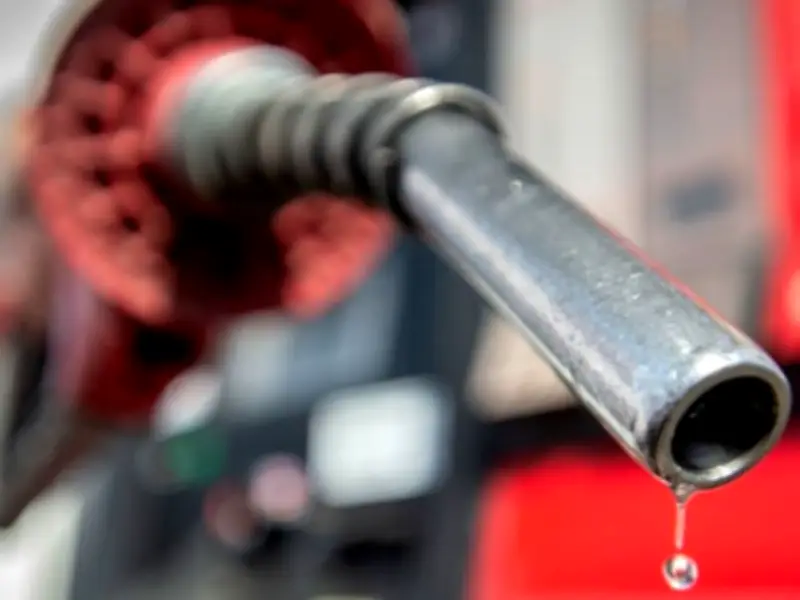
According to McTeague, president of Canadians for Affordable Energy, this will push gas prices up by the end of this week. In the Greater Toronto Area (GTA), prices are expected to reach $1.69 per litre, with diesel surging by 13 cents.

“They’re indicating a five cent increase for tomorrow, and likely a two cent increase for Saturday,” McTeague told the Toronto Sun. “Right now it’s muted — what should have been a pretty significant increase in the price of oil, starting off at a five or six dollar increase, but it wound up just being around three.”
Oil market manipulation suspected
McTeague suggested the relatively muted price increase may be due to market manipulation. He described the “paper market” as aggressively short-selling oil to conceal signs of a looming supply crisis.
“There’s some jiggery-pokery going on here, maybe to keep prices down in advance of the November midterm elections coming up, but sooner or later the levee is going to break and the events of the past 24 hours certainly indicate that that break is imminent,” McTeague said.
Mounting fuel costs for Canadians
Skyrocketing fuel prices have become a fact of life for Canadians in 2026. A June report from the Financial Accountability Office of Ontario predicted the ongoing conflict will cost the average Canadian household an extra $648 in fuel costs this year — a figure that does not include premiums added by shippers facing high diesel prices.
Strategic reserves nearly depleted
McTeague also dismissed hopes that the U.S. strategic petroleum reserve could stabilize prices. He noted the reserves are only about 19 million barrels away from hitting their structural floor, at which point no more oil can be released into the market. Once that artificial ceiling collapses, oil prices will drastically correct upward.
“We’re at a crunch point with respect to global buffers and reserves,” he said. “The longer this conflict goes on, the greater the likelihood — I think in the next two to three weeks, end of July — is going to be a very critical time for markets to wake up, smarten up, and smell the coffee.”
McTeague emphasized that markets cannot continue to trade down such a high-demand product in short supply. “It’s ‘Economic Fundamentals 101’, and they seem to want to think that they can ignore it. Good luck with that — because the situation just accelerates the inevitable.”