Calgary city council voted Wednesday to end the city's climate emergency declaration, a symbolic move that reverses a 2022 decision to treat climate change as a crisis requiring urgent action. The vote, which passed with a narrow majority, has sparked debate among councillors and residents about the city's environmental priorities.
Council Decision
The motion to scrap the declaration was introduced by Coun. Dan McLean, who argued that the emergency designation was no longer necessary and that the city's climate goals could be pursued without it. 'We can still be committed to reducing emissions without labeling it an emergency,' McLean said during the council meeting.
Mayor Jyoti Gondek opposed the move, stating that the declaration was an important signal of the city's commitment to addressing climate change. 'This is a step backward,' she said. 'Climate change remains a pressing issue, and we need to treat it with the urgency it deserves.'

Reactions
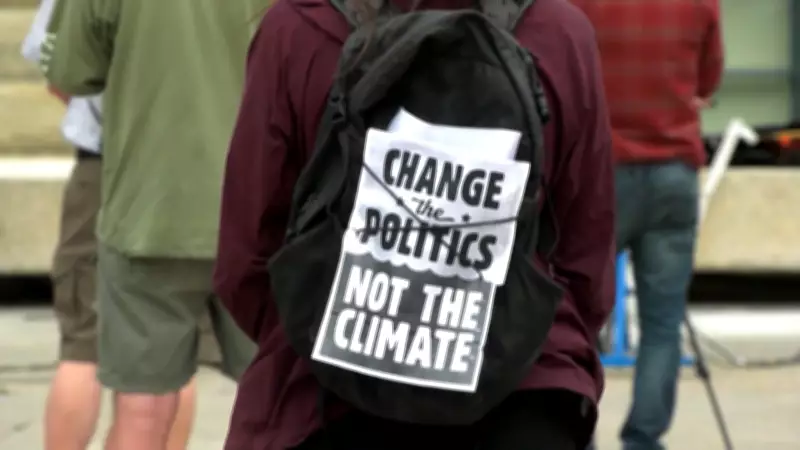
Environmental groups criticized the decision, calling it short-sighted. 'Calgary is already experiencing the effects of climate change, from floods to wildfires,' said a spokesperson for the Alberta Environmental Network. 'Ending the emergency declaration sends the wrong message.'
Supporters of the motion, however, argued that the declaration was largely symbolic and that the city's climate actions, such as its energy transition strategy, would continue regardless. 'The declaration didn't change what we were doing,' said Coun. Peter Demong. 'We can still work toward our goals without the label.'
Broader Context
The decision comes as Alberta's provincial government has also shifted its stance on climate policy, with Premier Danielle Smith facing internal party tensions over issues like provincial separation and environmental regulations. Meanwhile, Calgary continues to invest in renewable energy and public transit projects, though critics say more aggressive action is needed.
Council's vote has drawn attention from across Canada, with some municipalities watching closely as they consider their own climate declarations. The move also highlights the ongoing divide between those who prioritize economic growth and those who advocate for more stringent environmental measures.