Vancouver's $30 Million Plan to Restore Lost Lagoon as Tidal Flat
The Vancouver Park Board is set to deliberate on a transformative $30 million initiative aimed at reconnecting Stanley Park's deteriorating Lost Lagoon to tidal ocean waters. This ambitious project seeks to restore the lagoon to its original state as a coastal salt marsh and tidal mudflat, addressing long-standing environmental issues.
Feasibility Study and Key Supporters
Next Monday, the board will review the Lost Lagoon Reconnection Feasibility Study, which has already garnered backing from the federal government, the Port of Vancouver, and the Tsleil-Waututh First Nation. Park board staff will recommend endorsing the tidal reconnection concept and initiating discussions with potential funding partners and regulatory agencies to facilitate its implementation through a multi-party funding arrangement.
The project is designed to tackle the declining environmental conditions at Lost Lagoon, where poor water quality has negatively impacted habitat, wildlife, and visitor experiences. By restoring a tidal connection to the ocean, the plan aims to enhance water quality, biodiversity, and recreational values while advancing reconciliation efforts with Indigenous communities.

Historical Context and Environmental Challenges
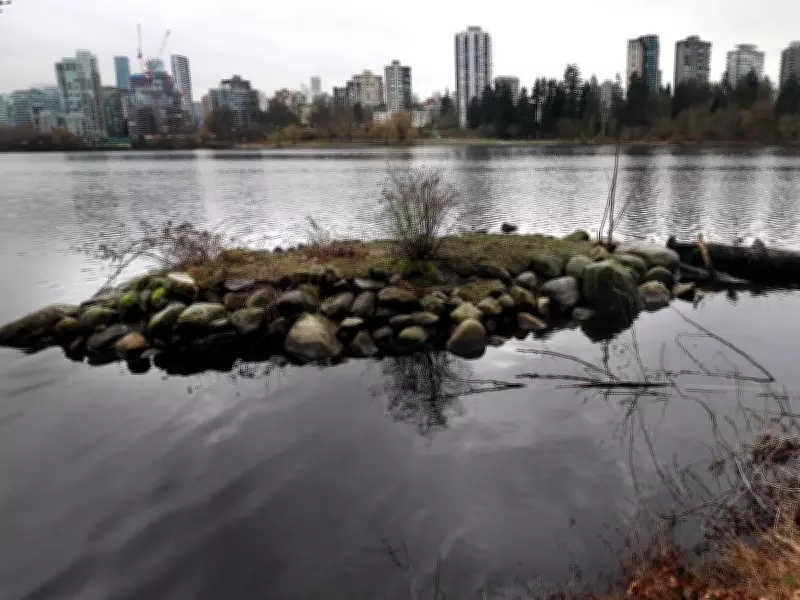
Lost Lagoon, a 17-hectare pond at the Coal Harbour entrance to Stanley Park, was historically a coastal salt marsh and tidal mudflat utilized by local First Nations. During high tide, it once made Stanley Park an island. However, in 1916, the construction of a causeway transformed it into a non-draining pond, leading to significant ecological disturbances.
According to the staff report, human interventions over the past 140 years have created a degraded environment that is unsustainable and lacks resilience. The lagoon, which is approximately one metre deep, suffers from summer algae blooms and other water quality issues, highlighting the urgent need for restoration.
Proposed Restoration Mechanisms
The reconnection plan involves creating a water channel from Second Beach that would allow tidal ocean water to enter the lagoon during high tides, enabling daily tidal flushing. This would be complemented by the installation of culverts under the Stanley Park causeway. As a result, the lagoon would experience less stagnant water accumulation and more dynamic water influx throughout the day, forming channels and tidal habitats with fluctuating depths.
During low tide, visitors might observe mud flats, while high tide would present a marsh-like appearance, restoring natural tidal rhythms and enhancing ecological diversity.
Community and Partnership Involvement
Ernie George, director of treaty, lands and resources for the Tsleil-Waututh First Nation, expressed support for the Lost Lagoon project, noting it is part of broader restoration efforts including the Indian River, Maplewood mudflats, Seymour River, and Lynn Creek estuary. The project's success hinges on collaboration among local, provincial, and federal partners, with staff already engaging the city's intergovernmental relations team to explore partnership approaches.
If approved by the board, detailed design work is scheduled to commence this year, marking a significant step toward revitalizing this iconic Vancouver landmark and improving its environmental sustainability for future generations.