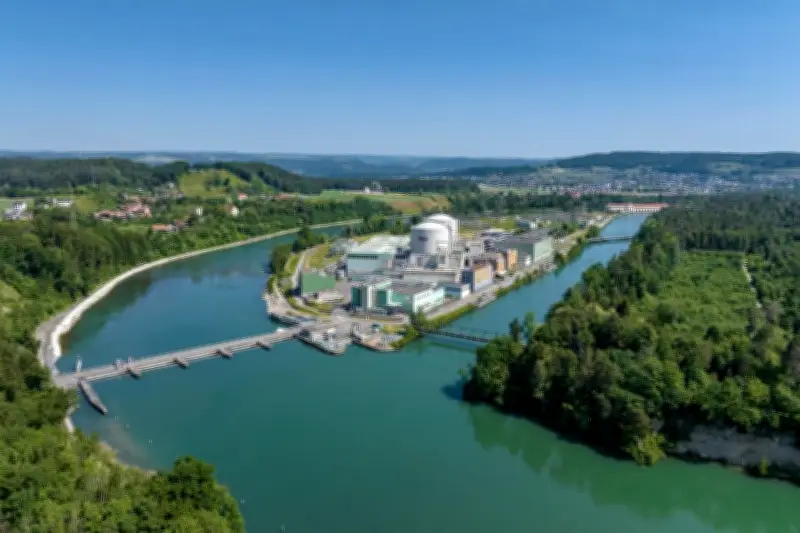
Switzerland's Beznau nuclear power plant, the country's oldest, was shut down on June 26, 2026, due to a severe heatwave that swept across Europe. The decision came as temperatures soared, raising concerns about the plant's cooling systems and overall safety.
Heatwave Forces Shutdown
The Beznau plant, located in the canton of Aargau, was taken offline as a precautionary measure. According to operator Axpo, the high temperatures reduced the ability of the Aare River to cool the reactor, posing a risk of overheating. The shutdown is part of a broader trend across Europe, where extreme weather events are increasingly disrupting energy infrastructure.
Impact on Energy Supply
The shutdown of Beznau, which has a capacity of 365 megawatts, adds pressure to Switzerland's energy grid during a period of high demand. The country relies on nuclear power for about 35% of its electricity, but aging plants like Beznau are vulnerable to climate-related risks. Environmental groups have called for a faster transition to renewable energy sources.

Broader European Context
The heatwave has affected multiple countries, with temperatures exceeding 40°C in some regions. In France, several nuclear plants have reduced output due to river temperature limits. The European Union has urged member states to assess climate risks to critical infrastructure. The Beznau incident highlights the growing challenge of maintaining nuclear safety in a warming world.