Ottawa Endures Deep Freeze as Cold Warning Stays in Effect
A cold warning issued by Environment Canada continues to grip Ottawa, with residents facing bitterly cold temperatures and hazardous wind chills. The alert, which was active as of February 9, 2026, warns of wind chill values potentially dropping to -35 degrees Celsius, posing significant risks of frostbite and hypothermia for those venturing outdoors without proper protection.
Current Conditions and Public Response
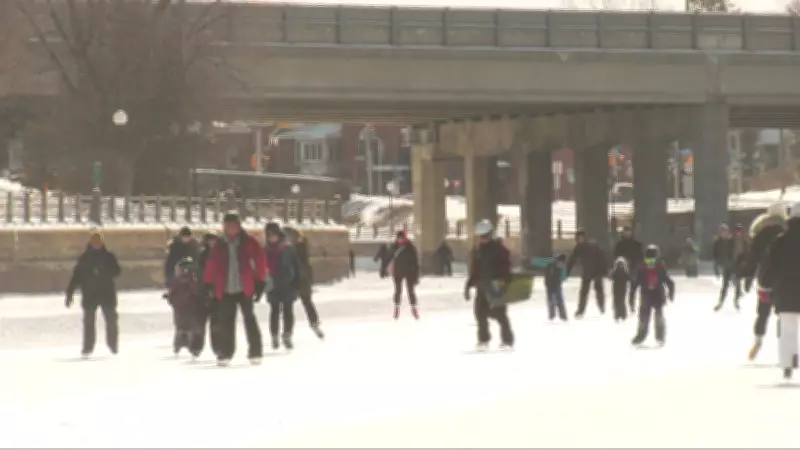
Despite the severe cold, Ottawans have shown resilience. Skaters were seen packing the iconic Rideau Canal on Sunday, February 8, taking advantage of the frozen surface for recreation, albeit bundled up against the chill. This scene underscores the city's adaptation to winter extremes, though authorities urge caution during such warnings.
The cold snap is attributed to an Arctic air mass sweeping across the region, bringing clear skies but dangerously low temperatures. Environment Canada emphasizes that exposed skin can freeze in minutes under these conditions, advising people to cover up, limit outdoor exposure, and check on vulnerable neighbors, especially the elderly and homeless.

Forecast: Relief on the Horizon
Meteorologists indicate that warmer temperatures are on the way, offering a reprieve from the deep freeze. A shift in weather patterns is expected to push the Arctic air eastward, allowing milder Pacific air to flow into the area. This transition could see daytime highs climbing above freezing in the coming days, though nighttime lows may remain below zero.
This fluctuation is typical for Ottawa in February, a month known for its volatile weather as winter begins to wane. The forecasted warmth might bring mixed precipitation, such as freezing rain or snow, so residents should stay updated on alerts.
Broader Context and Safety Tips
Cold warnings are not uncommon in Canada during winter, but they serve as critical reminders of health risks. In Ottawa, such events often coincide with increased demand for emergency shelters and heating assistance. Local services, including public health units and community organizations, ramp up efforts to support those in need.
To stay safe during cold warnings:
- Dress in layers, with a wind-resistant outer shell.
- Wear hats, gloves, and insulated footwear to prevent heat loss.
- Avoid prolonged outdoor activities, especially during early morning or late evening when temperatures are lowest.
- Ensure home heating systems are functioning properly and have emergency kits ready.
As Ottawa awaits the warmer trend, the cold warning underscores the importance of preparedness in Canada's harsh winters. While the Rideau Canal skaters exemplify the city's winter spirit, safety remains paramount until the thaw arrives.