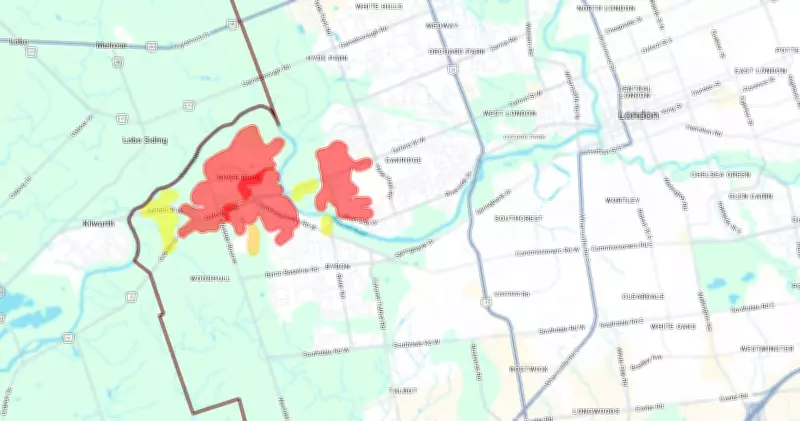
Power Restored Across London Following Early Morning Outage
Residents and businesses in London, Ontario, experienced a temporary disruption to their electrical service during the early hours of Sunday, February 9, 2026. According to utility provider London Hydro, power has now been fully restored to all affected areas following a swift response from repair crews.
Timeline of the Outage
The outage was first reported in the pre-dawn hours, with initial disruptions noted around 6:30 AM EST. London Hydro crews were immediately dispatched to investigate and address the issue. By 8:01 AM EST, the utility confirmed that electricity had been successfully restored across the network.
The exact cause of the outage remains under investigation, but early indications suggest it may have been related to equipment failure or weather-related factors. London Hydro has not released specific details about the number of customers impacted or the precise neighborhoods affected, but the disruption appears to have been widespread enough to warrant a coordinated repair effort.

Utility Response and Community Impact
London Hydro, the city's primary electricity distribution company, mobilized its emergency response teams promptly. The utility's communication channels were activated to keep residents informed about restoration progress, though some customers reported initial difficulties in receiving updates during the early stages of the outage.
"Our crews worked diligently to identify and resolve the issue as quickly as possible," a London Hydro spokesperson stated. "We understand how disruptive power outages can be, especially during winter months when heating systems depend on electricity. We appreciate the patience of our customers while we worked to restore service."
The outage occurred during a period of colder temperatures in southwestern Ontario, raising concerns about vulnerable residents who rely on electrically-powered heating systems. However, the relatively brief duration of the disruption – approximately 90 minutes for most customers – minimized potential health and safety risks.
Broader Context of Infrastructure Reliability
This incident highlights the ongoing challenges facing aging electrical infrastructure in many Canadian cities. While London Hydro maintains regular inspection and maintenance programs, unexpected outages can still occur due to:
- Equipment failure in transformers or distribution lines
- Weather-related damage from wind, ice, or extreme temperatures
- Increased electrical demand during peak usage periods
- Accidental damage from construction or other external factors
The utility has invested in modernization efforts in recent years, including smart grid technology that can help isolate and restore outages more efficiently. However, complete prevention of all service interruptions remains challenging given the complexity of electrical distribution systems.
Safety Recommendations for Future Outages
London Hydro recommends that residents prepare for potential power disruptions by:
- Keeping emergency kits with flashlights, batteries, and non-perishable food
- Having alternative heating sources available during winter months
- Registering for outage alerts through the utility's notification system
- Knowing how to manually open garage doors and other electrically-operated security features
- Keeping mobile devices charged to maintain communication capabilities
The utility also reminds customers to report outages immediately through their official channels and to stay away from downed power lines, which should always be treated as live and dangerous.
As London continues to grow and modernize, maintaining reliable electrical infrastructure remains a priority for both utility providers and municipal officials. The swift restoration of service during this early morning outage demonstrates the effectiveness of emergency response protocols, though it also serves as a reminder of our collective dependence on consistent power delivery for daily life and economic activity.