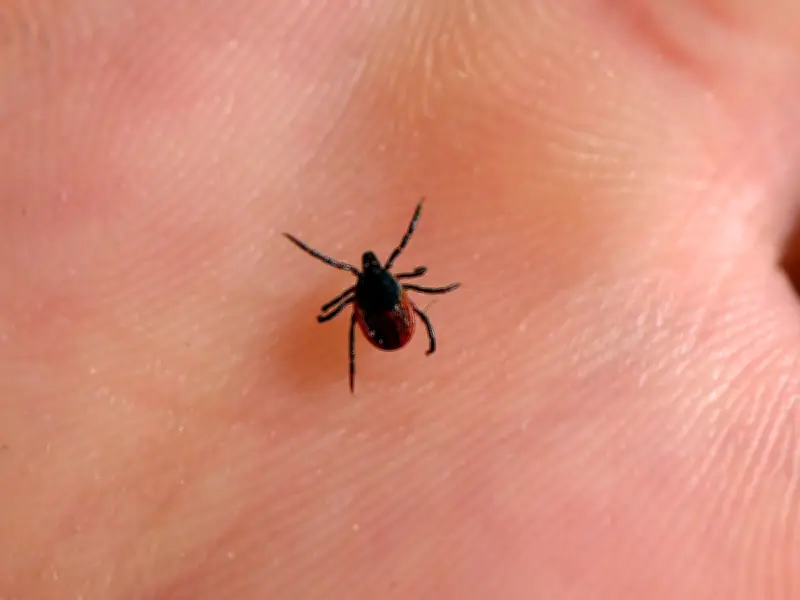
Lyme disease and other tick-related illnesses are rising sharply across Canada. Reported human cases have surged by 3,934% over the past 15 years, according to Public Health Agency of Canada (PHAC) data. In 2009, only 144 cases were reported; by 2024, that number reached 5,809, an annual growth of more than 20%. However, experts warn that the true toll may be far higher due to underdiagnosis and nonspecific symptoms.
Geographic Expansion and Climate Factors
Dr. Isaac Bogoch, a professor at the University of Toronto's Department of Medicine and an infectious diseases specialist at Toronto General Hospital, notes that milder winters have allowed ticks to survive and thrive in northern latitudes. “That’s not just because people are increasingly aware of it — including public health and health care providers — it’s also because there is just more Lyme in Canada,” he says. Ticks are no longer confined to remote wilderness; they are present in urban parks. “I’m sitting in Toronto, and I diagnose cases of Lyme in people who have never left Toronto. Like, they got it in a park in Etobicoke, or some place in the GTA. There’s Lyme here. We have Lyme. There’s a lot of Lyme out there.”
In 2024, 96% of reported cases came from just three provinces: Ontario (2,369), Nova Scotia (2,350), and Quebec (834). The rapid spread of blacklegged ticks across the country has been documented in maps showing their population expansion from 1977 to 2024.

Underreporting and Diagnostic Challenges
The reported 5,809 cases likely represent a fraction of actual infections. “This number is probably a gross underestimate,” Bogoch says. “There likely are way more than 5,000 cases of Lyme in the country, despite about 5,000 being reported in the most recent data.” One major reason is that symptoms can be vague. The classic “bullseye” rash (erythema migrans) does not always appear as a perfect target, and roughly 25% of infected people never develop it. Other symptoms such as fatigue, muscle aches, and joint pain are easily mistaken for other illnesses. “We still need to do a better job informing the general public that there is Lyme out there, and to suspect Lyme if they have such symptoms,” Bogoch emphasizes. “We also have to continue to inform frontline health care providers about Lyme, especially given its expanding geographic area of endemicity in Canada.”
Prevention and What to Do After a Tick Bite
Lyme disease is caused by the bacterium Borrelia burgdorferi and transmitted through the bite of infected blacklegged ticks (deer ticks). Prevention focuses on avoiding tick habitats and performing thorough tick checks after outdoor activities. Ticks typically live in wooded or grassy areas, but they can also be found in urban parks and gardens. Bogoch encourages outdoor enjoyment despite the risks: “We should be outside as much as possible. It’s so healthy to be out there, and we’re so lucky to live in the most beautiful place on the planet.”
If you find a tick attached, remove it promptly with fine-tipped tweezers, grasping as close to the skin as possible and pulling upward with steady pressure. Clean the bite area with soap and water. Monitor for symptoms such as rash, fever, or flu-like illness for up to 30 days. Early treatment with antibiotics is highly effective. Public health units across Canada provide guidance on tick identification and testing.
Ongoing Surveillance and Awareness
PHAC continues to track Lyme disease cases and tick populations. The dramatic increase over 15 years underscores the need for sustained public education and clinical vigilance. As ticks expand their range, both urban and rural residents must remain aware of the risks and take preventive measures.