Lovebirds' Lifelong Bonds Offer Lessons in Partnership and Conservation
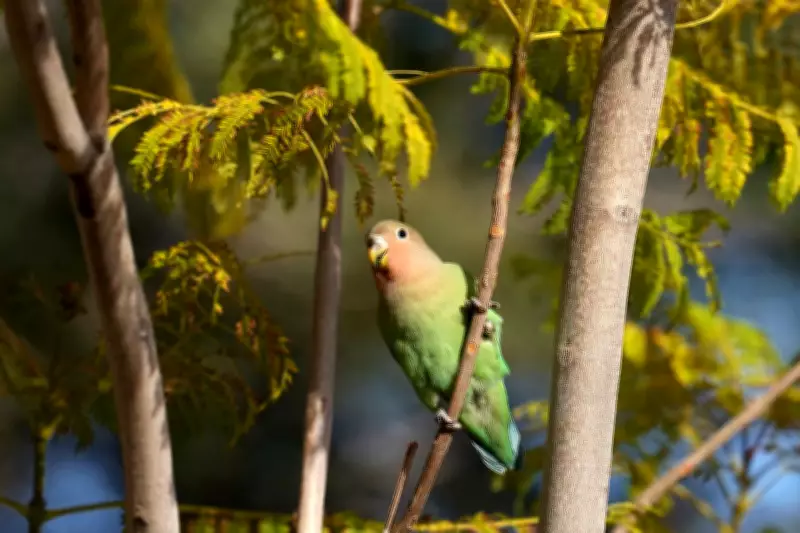
In the serene setting of Encanto Park in Phoenix, a lovebird's song echoes, symbolizing more than just natural beauty. These rare birds, celebrated for their lifelong mating habits, are captivating researchers and environmentalists alike. Their unique behavior provides profound insights into avian partnerships and broader ecological conservation efforts.
Understanding Lovebirds' Unique Mating Habits
Lovebirds stand out in the avian world due to their rare trait of forming monogamous bonds that last a lifetime. Unlike many bird species that may change partners seasonally, lovebirds commit to a single mate, engaging in cooperative behaviors such as shared nesting and feeding. This fidelity is not just a romantic notion but a survival strategy that enhances their reproductive success and offspring care.
Researchers have observed these birds in habitats like Phoenix's Encanto Park, where their interactions offer a window into the complexities of animal relationships. Studies indicate that lovebirds' strong pair bonds contribute to their resilience in changing environments, making them a subject of interest for conservationists.

Implications for Environmental Science and Conservation
The study of lovebirds extends beyond behavioral biology into critical areas of environmental science. As indicators of ecosystem health, these birds' presence and breeding success can signal the state of their habitats. In regions like Phoenix, where urban development intersects with natural spaces, understanding lovebirds' needs helps inform conservation policies.
Conservation efforts focused on lovebirds often involve protecting their nesting sites and ensuring food availability. By preserving these elements, scientists aim to support not only lovebird populations but also the broader biodiversity of their ecosystems. This approach aligns with global initiatives to combat habitat loss and climate change impacts.
Lessons for Human Partnerships and Environmental Stewardship
Lovebirds' lifelong partnerships offer metaphorical lessons for human relationships, emphasizing commitment and cooperation. In a broader context, their story underscores the importance of environmental stewardship. As humans face challenges like climate change and biodiversity decline, the resilience of species like lovebirds reminds us of the interconnectedness of all life.
Environmental scientists advocate for learning from such species to develop sustainable practices. For instance, protecting lovebird habitats can involve community engagement and policy measures that balance urban growth with ecological preservation. These actions contribute to a healthier planet for both wildlife and future generations.
In summary, lovebirds are more than just symbols of romance; they are key players in ecological systems and valuable subjects for scientific inquiry. Their lifelong bonds inspire reflection on partnership and conservation, highlighting the need for continued research and protective measures to ensure their survival in an ever-changing world.