Invasive Species Crisis: Wild Pigs, Giant Goldfish, and Japanese Beetles Overrun Canada
Invasive species have become a pervasive threat across Canada, arriving through various pathways such as livestock imports, pet releases, and accidental transport. Once established, these non-native organisms wreak havoc on local ecosystems, agriculture, and urban environments. This article explores three particularly problematic invaders: wild pigs, giant goldfish, and Japanese beetles, detailing their origins, impacts, and the multifaceted approaches being taken to address them.
The Rise of Wild Pigs on the Prairies
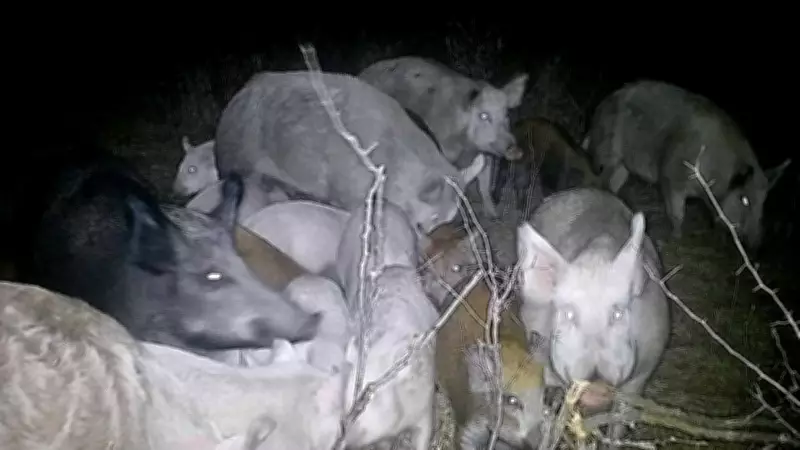
The story of wild pigs in Canada begins with domestic breeds like Duroc, Landrace, and Yorkshire, which have been farmed on the prairies for over a century. While escapes occurred, few survived harsh winters until European wild boar were imported in the 1980s to diversify livestock. These boars, along with escaped domestic pigs, interbred, creating a hybrid "wild pig" that combines the resilience of wild boar with the reproductive capacity of domestic breeds.
Ryan Brook, a professor at the University of Saskatchewan and head of the Canadian Wild Pig Research Project, describes these animals as "the perfect invasive species." They are large, intelligent, omnivorous, and reproduce rapidly. Initially dismissed as myth, their existence was confirmed by research in 2017, showing they had conquered entire watersheds.

Wild pigs thrive at the intersection of wetlands and farmland, uprooting vegetation and damaging crops. They consume a wide range of food, from corn and canola to birds, eggs, and even deer. Their ability to burrow underground helps them evade predators and harsh weather. Brook notes that the largest handled in Saskatchewan was a 638-pound female, with sightings of others possibly exceeding 800 pounds.
The prairies' low human density, recreational hunting, and lack of native predators like wolves have facilitated their spread. By 2000, wild pigs were confined to five watersheds; now, they occupy over one million square kilometres, even appearing in boreal forests far north of farmland. Brook argues that eradication is no longer feasible, emphasizing containment and management instead.
Giant Goldfish: A Persistent Aquatic Menace
Goldfish, introduced to Canada over 150 years ago, have become a widespread aquatic invader. Released from home aquariums into ponds and lakes, they grow to enormous sizes—some reaching nearly 50 centimetres in length. Nicholas Mandrak, a professor at the University of Toronto, recounts encountering hundreds of goldfish in a London, Ontario, pond that had turned into a gelatinous, oxygen-starved mess due to their activities.
These fish are remarkably tolerant, surviving temperatures from zero to 40 degrees Celsius and low-oxygen conditions. They can even overwinter in mud, emerging unharmed when ponds refill. Their feeding behavior involves digging through sediments, which clouds water, kills aquatic plants, and depletes oxygen, suffocating native species.
In places like Cootes Paradise in Hamilton, Ontario, goldfish have displaced other invasives like common carp, further altering ecosystems. Mandrak suspects climate warming may be fueling their abundance, and there are concerns they might be cloning themselves through unfertilized egg development. With eradication impossible after centuries of establishment, management focuses on early detection of new species and innovative control methods, such as introducing native largemouth bass as predators in contained systems like stormwater ponds.
Japanese Beetles: A Garden and Farm Plague
Japanese beetles, accidentally imported to North America before 1916, have become a major pest in eastern Canada. These glossy green insects feed on over 300 plant species, skeletonizing leaves and damaging fruits like raspberries, blueberries, and grapes. Their larvae attack grass roots, while adults devastate ornamental plants and crops.
Alexe Indigo, a PhD student at Dalhousie University, notes that infestations have exploded in recent years, partly due to climate warming. In Halifax, summer 2024 saw severe outbreaks. Unlike some invasives that target native forests, Japanese beetles prefer imported plants, making them a bane for gardeners, farmers, and city planners.

Historical control efforts involved broad-spectrum pesticides that caused widespread ecological damage, as documented in Rachel Carson's Silent Spring. Modern approaches are more targeted, using soil-drench insecticides for larvae. However, beetles exhibit "aggregative feeding," clustering on specific plants via hormones, which can make traps counterproductive. Indigo predicts they will soon be "absolutely everywhere" in affected regions.
Biological control offers hope. The winsome fly, a parasite from Japan, lays eggs on beetles, with larvae consuming them from within. Paul Abram, a research scientist with Agriculture and Agri-Foods Canada, has successfully introduced these flies in British Columbia, where they parasitize beetles with minimal collateral damage. Additionally, native birds like blue jays and robins are beginning to prey on beetles, aiding natural control.
Strategies and Lessons for the Future
The fight against invasive species in Canada highlights the importance of early intervention and adaptive management. For wild pigs, efforts like the Canadian Invasive Wild Pig Strategy focus on trapping and preventing farm escapes, though experts like Brook believe complete eradication is unlikely. Goldfish management involves monitoring stormwater ponds and using predators like bass in controlled environments. Japanese beetle control combines insecticides, biological agents like the winsome fly, and encouraging native predators.
Mandrak emphasizes risk assessment: if a species can survive in Canada and is invasive elsewhere, preemptive action is crucial. He predicts new invaders, such as Eurasian tench and bighead carp, requiring vigilance. Meanwhile, Abram advocates for biological controls that provide sustainable, cost-effective solutions once established.
Invasive species are a permanent challenge, but ongoing research and collaboration offer pathways to mitigate their impacts. From wolves potentially deterring wild pigs to bass eating goldfish and flies parasitizing beetles, integrating natural predators and innovative tactics is key to protecting Canada's ecosystems.