Inuit Communities Turn to Greenland's Social Framework as Canada Expands Arctic Military Presence
In a significant shift in Arctic discourse, Inuit leaders and scholars are increasingly looking toward Greenland's comprehensive social welfare model as Canada pursues an extensive military buildup in the northern territories. This comparative analysis emerges amid growing concerns about the long-term impacts of militarization on Indigenous communities and their traditional ways of life.
Greenland's Social Welfare System as a Beacon
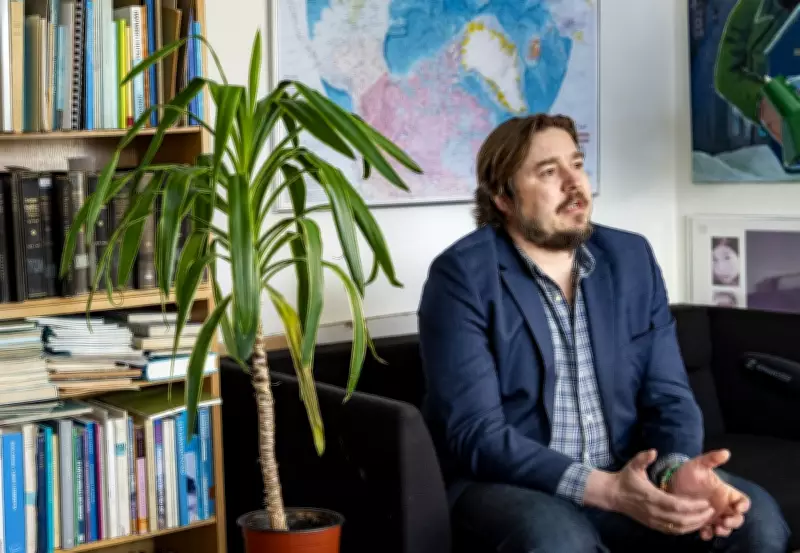
Steven Arnfjord, a prominent professor at the University of Greenland and director of its Centre for Arctic Welfare, has been at the forefront of advocating for alternative approaches to Arctic development. In a recent interview conducted in Nuuk, Greenland, Arnfjord emphasized that Greenland's social model prioritizes community well-being, education, and healthcare over purely strategic military interests.
"Greenland demonstrates that Arctic communities can thrive through investments in social infrastructure rather than exclusively through defense spending," Arnfjord stated. "While security considerations are important, we must balance them with the fundamental needs of the people who call this region home."

Canada's Arctic Military Expansion
Canada's current Arctic strategy involves substantial investments in military infrastructure, including new naval vessels, surveillance capabilities, and expanded personnel deployments. The federal government cites growing geopolitical tensions and climate change opening new shipping routes as primary justifications for this buildup.
However, many Inuit communities express apprehension that this militarization approach may overshadow critical social and economic needs. Traditional hunting grounds, environmental protection, and community health services often take secondary priority in defense-focused planning.
Comparative Arctic Development Models
The Greenlandic model offers several distinctive features that appeal to Canadian Inuit observers:
- Comprehensive social services including universal healthcare and education
- Strong emphasis on cultural preservation and Indigenous language support
- Community-led economic development that respects traditional livelihoods
- Environmental stewardship integrated into policy decisions
In contrast, Canada's current Arctic approach emphasizes:
- Enhanced military presence and surveillance capabilities
- Infrastructure development primarily supporting defense operations
- Geopolitical positioning amid international Arctic competition
- Resource extraction opportunities opened by melting sea ice
Voices from Inuit Communities
Community leaders across Canada's northern territories have begun questioning whether the current military-focused strategy adequately addresses their populations' needs. Many argue that investments in healthcare facilities, educational institutions, and sustainable economic development would yield more substantial long-term benefits for Arctic residents.
"We recognize the importance of sovereignty and security," noted one Inuit elder from Nunavut, "but we also need to ensure our communities remain healthy, educated, and culturally vibrant. Greenland shows us that these priorities don't have to be mutually exclusive."
The Path Forward
As Canada continues its Arctic military expansion, the dialogue around alternative development models is gaining momentum. Scholars like Arnfjord suggest that a hybrid approach—incorporating elements of Greenland's social welfare system alongside necessary security measures—could create a more balanced and sustainable future for the region.
The ongoing examination of Greenland's social model represents more than just policy comparison; it reflects a fundamental conversation about what constitutes true security and prosperity in the rapidly changing Arctic landscape. As climate change accelerates and international interest in the region intensifies, these discussions will likely become increasingly central to Canada's northern strategy.