Galápagos Park Releases 158 Juvenile Hybrid Tortoises on Floreana to Restore the Ecosystem
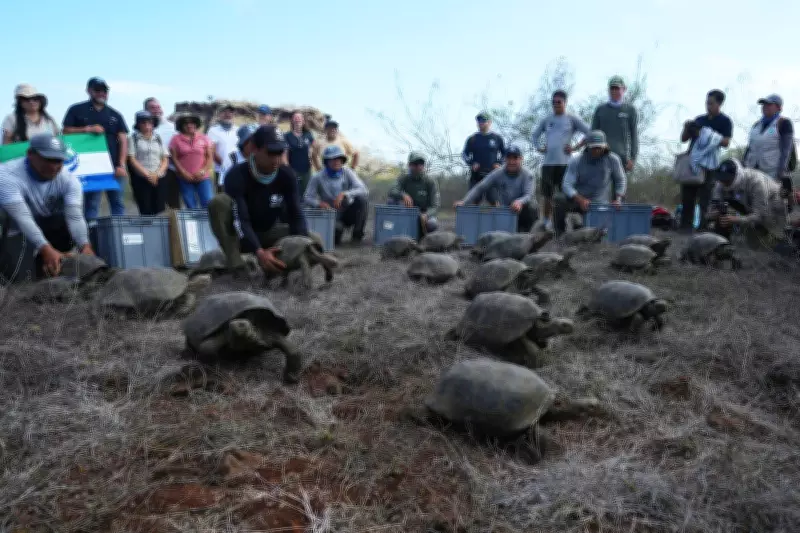
In a significant step toward ecological recovery, the Galápagos National Park has successfully released 158 juvenile hybrid giant tortoises on Floreana Island. This ambitious project aims to reintroduce the species to its native habitat, fostering biodiversity and restoring the island's delicate ecosystem. The release, which took place on February 20, 2026, marks a pivotal moment in conservation efforts within the iconic archipelago.
Reviving a Lost Species
The giant tortoises of Floreana Island were historically decimated due to human activities, including hunting and habitat destruction, leading to their local extinction centuries ago. To address this loss, scientists have developed a hybrid breeding program using tortoises with genetic links to the original Floreana species. These 158 juveniles, carefully raised in captivity, represent a genetically diverse group designed to mimic the extinct population and fulfill their ecological role.
By reintroducing these tortoises, conservationists hope to replicate natural processes such as seed dispersal and vegetation control, which are crucial for maintaining the island's unique flora and fauna. The project is part of a broader initiative by the Galápagos National Park and international partners to reverse environmental degradation and protect endemic species across the islands.

Conservation Challenges and Strategies
Releasing tortoises into the wild involves meticulous planning to ensure their survival and integration. Prior to the release, the juveniles underwent health assessments and were acclimated to natural conditions. They are now monitored through tracking devices to study their movements, behavior, and impact on the ecosystem. This data will inform future conservation strategies and help mitigate potential risks, such as predation or competition with other species.
The hybrid approach is considered innovative in conservation biology, as it leverages genetic diversity to enhance resilience against diseases and environmental changes. Experts emphasize that this method could serve as a model for similar restoration projects worldwide, particularly in island ecosystems where endemic species have been lost.
Broader Environmental Implications
The release on Floreana Island aligns with global efforts to combat biodiversity loss and climate change. Giant tortoises are keystone species, meaning their presence significantly influences the structure and function of their environment. Their reintroduction is expected to improve soil health, promote plant growth, and support other wildlife, contributing to a more balanced and sustainable ecosystem.
This project also highlights the importance of collaborative conservation, involving local communities, researchers, and governmental agencies. As climate change and human activities continue to threaten fragile habitats, such initiatives underscore the need for proactive measures to preserve natural heritage. The success of this tortoise release could inspire further actions to protect endangered species and restore degraded landscapes across the Galápagos and beyond.