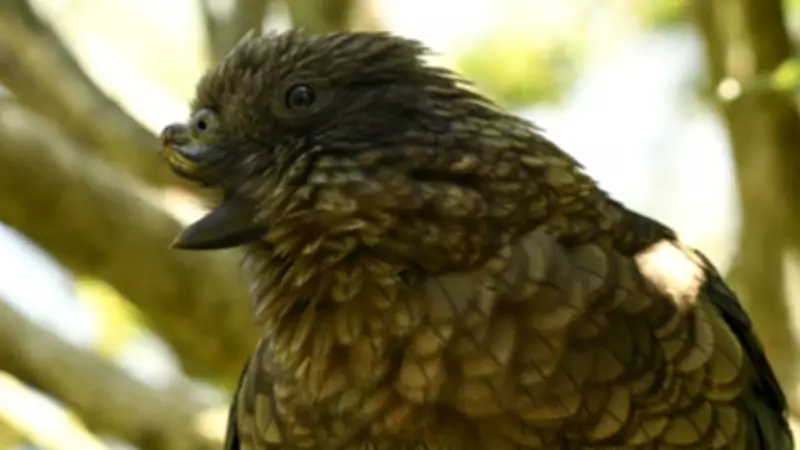
In a remarkable first for animal behavior studies, a disabled kea parrot named Bruce has become the alpha male of his group at the Willowbank Wildlife Reserve in New Zealand, despite missing his entire upper beak. Researchers say this is the first known instance of a disabled animal assuming the dominant role in its social group.
Bruce's Rise to Dominance
Bruce, a captive kea parrot at the reserve, has demonstrated clear dominance over other males in the group, according to scientists studying the birds. Kea parrots are known for their intelligence and complex social structures, but Bruce's achievement is unprecedented. Despite his physical disability, he has managed to assert his authority through vocalizations and strategic behaviors, compensating for his lack of a full beak.
Implications for Animal Behavior
This finding challenges previous assumptions about the role of physical fitness in social hierarchies among animals. Researchers note that Bruce's success may be due to his personality and cognitive abilities rather than physical strength. The study highlights the adaptability of animals and the potential for individuals with disabilities to thrive in social settings.

The Willowbank Wildlife Reserve has been closely monitoring Bruce and his interactions. Staff members have observed that he uses his tongue and remaining beak structure to eat and preen, and he has developed unique methods to maintain his position. The reserve plans to continue studying Bruce to gain further insights into kea social dynamics.
This discovery adds to the growing body of research on animal cognition and social behavior, emphasizing that disabilities do not necessarily limit an animal's ability to lead. Bruce's story serves as an inspiring example of resilience and adaptability in the natural world.