Chilly spring temperatures are partly to blame for dozy bumblebees, and Alberta’s cooler weather is playing havoc with Mother Nature’s creepy-crawlies. If you see a fuzzy bee staggering around listlessly, they could be fresh out of hibernation and wondering where their flowers are. The cold, late spring in Alberta means flowers and blossoms are late too, with roadsides usually abloom with blossoms looking quite stickish.
Delayed Emergence
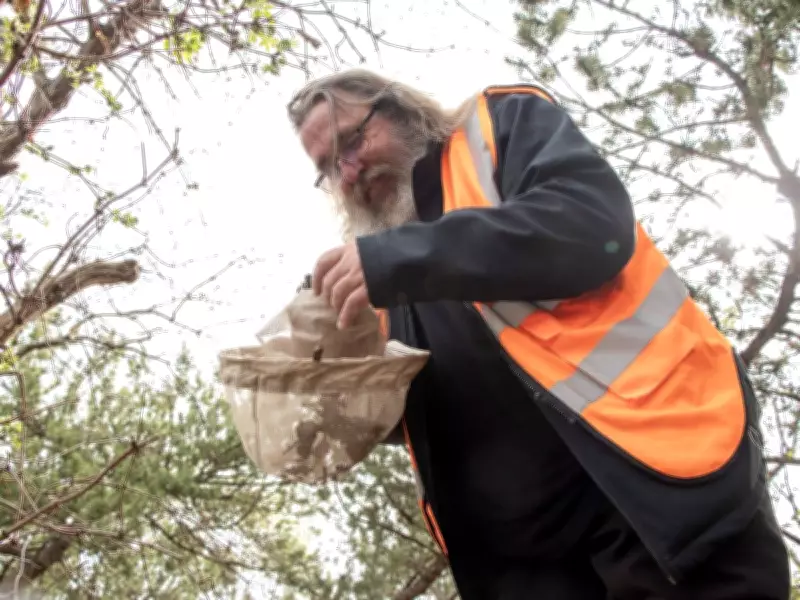
Mike Jenkins, City of Edmonton chief scientist, noted that many insects are delayed this year. “A lot of the stuff is just delayed. Many of the insects we would typically see in even reasonable numbers by now just don’t seem to be around yet. Once we get some warm weather for a while, we might see more of those things coming out. I haven’t seen a single Lady Bird beetle yet this year,” he said on a brisk Friday at Edmonton’s Coronation Park.
This delay affects tree swallows, which rely on flying insects for food. The lack of bugs could leave these birds cranky as they search for their fast food.

Yellowjacket Queens and Nesting
Overwintering yellowjacket queens are now emerging to scout new nesting sites. “Now that there’s actually some flowers about, and it’s a little bit warmer, they’re coming out foraging, so you will see more activity,” Jenkins explained. “She’ll start scouting out a location to build the nest, and you often see the big giant queen flying around backyards, checking out overhangs and areas like that, looking for a good site to put the nest.”
When her first batch of eggs hatches, those workers become foragers. Protected, the queen keeps laying eggs, and the nest grows, sometimes to thousands. If the hive prospers, in late summer it will produce more queens, who head out to start their own nests, leading to more yellowjacket workers foraging to build a nest that can withstand overwintering.
Jenkins noted that Alberta has had four or five bumper years for yellowjackets, ants, and bees, which thrive in hot and dry conditions. “The activity you see now is at least partially due to how good a season they had last year,” he added.
Bees and Mammal Burrows
Some bees coexist with winter-dormant mammals by scouting existing mammal burrows. However, this can be risky. “Sometimes bees get eaten if they pick the wrong nest or the wrong burrow to go down,” Jenkins said. The formula for bee young includes protein from pollen. Bees load up pollen to take back to their nests, depositing pollen from plant to plant along the way, a process so important to agriculture that farmers rent hives to place in their crops.