Indigenous Protest in Amazon Compels Brazil's Lula to Rescind Waterway Decree
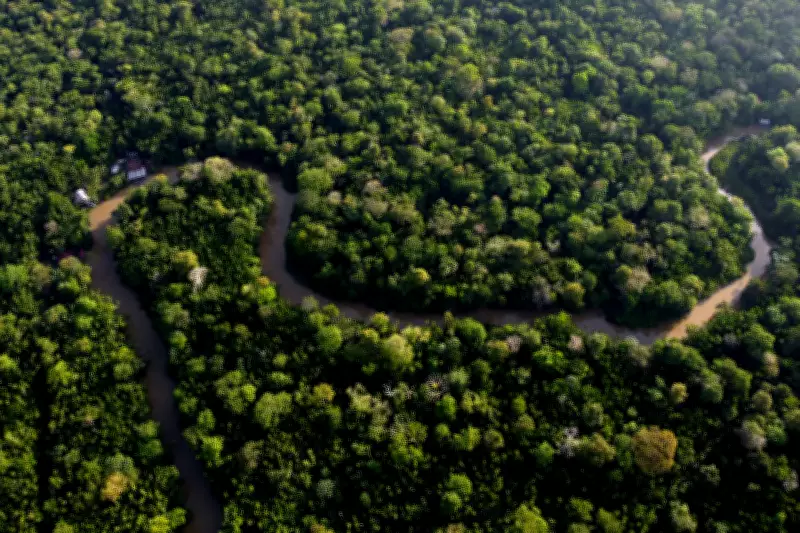
In a significant environmental and political development, Indigenous communities in the Amazon rainforest have successfully pressured Brazilian President Luiz Inácio Lula da Silva to revoke a contentious waterway decree. The protest, which mobilized numerous Indigenous groups, underscores the ongoing tensions between economic development and ecological preservation in the region.
Background of the Controversial Decree
The decree, initially issued by the Brazilian government, aimed to facilitate the expansion of waterways in the Amazon to boost commercial navigation and resource extraction. Proponents argued it would enhance trade and economic growth, but critics, including environmentalists and Indigenous leaders, warned of severe ecological damage and threats to traditional lands.
Indigenous activists organized large-scale demonstrations, blocking key routes and raising awareness about the potential impacts on biodiversity and their way of life. The protest gained momentum over recent weeks, drawing international attention to the plight of Amazonian communities.

Lula's Response and Policy Reversal
Facing mounting pressure, President Lula announced the revocation of the decree, citing the need to respect Indigenous rights and protect the Amazon's fragile ecosystem. In a public statement, he emphasized the government's commitment to sustainable development and dialogue with local populations.
This decision marks a notable shift in Brazil's environmental policy, aligning with Lula's earlier promises to curb deforestation and support Indigenous sovereignty. However, it also highlights the challenges in balancing economic interests with conservation efforts in one of the world's most vital rainforests.
Implications for the Amazon and Beyond
The revocation is expected to have far-reaching consequences:
- Environmental Protection: It may help reduce deforestation and habitat destruction linked to infrastructure projects.
- Indigenous Rights: Strengthens the voice of Indigenous groups in policy-making processes.
- Economic Considerations: Could slow down certain industrial activities, prompting debates on alternative development models.
Experts note that while this move is a victory for protesters, ongoing vigilance is necessary to ensure long-term protection of the Amazon. The region continues to face threats from illegal logging, mining, and climate change, requiring coordinated efforts at local and global levels.
As Brazil navigates these complex issues, the world watches closely, recognizing the Amazon's critical role in biodiversity and climate regulation. This event serves as a reminder of the power of grassroots activism in shaping environmental governance.