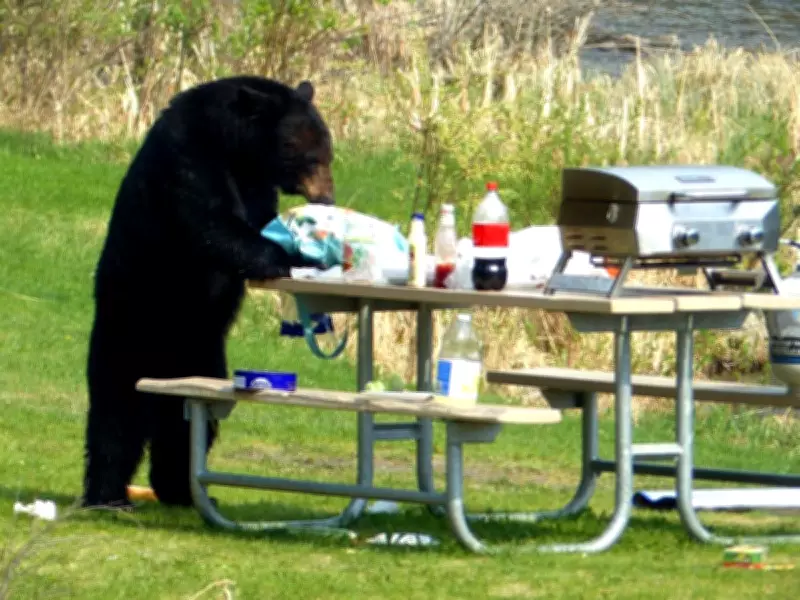
Black bears are making a comeback at Elk Island National Park after decades of being hunted and trapped nearly to extirpation. However, park officials are concerned that visitors may inadvertently get too close to the animals, posing risks to both humans and bears.
Ramona Maraj, ecologist team lead for Elk Island National Park, noted that with spring well underway, bears are awake and hungry. About seven years ago, sightings began to increase significantly, and females with cubs were observed, indicating that bears were establishing a presence in the park.
Historical Context
Elk Island National Park, located just 35 minutes east of Edmonton, was founded in 1906 as Canada's first wildlife refuge, primarily to shelter the last remaining elk in North America. The park spans approximately 80 kilometers of trails and lakes and is home to bison and over 250 bird species within a UNESCO-designated biosphere reserve.

Historically, wildlife management practices involved systematically removing predators such as grizzly bears, black bears, wolves, and cougars to protect the elk population. Park wardens, initially hired as trappers, carried out these removals.
In the 1970s, wildlife management philosophies shifted, and all predators except grizzlies began to return to the area, re-establishing their role in the ecosystem.
Recent Findings
Lab results from last summer's hair sample project have just been released, revealing DNA evidence of 39 individual bears using the park as partial range. The park is not large enough for any single bear to dominate, allowing multiple bears to coexist.
With the return of these wild animals, educating the public about respecting them and maintaining a safe distance has become crucial. Maraj emphasized that the landscape now has more people and activity than when bears historically occupied it, and residential properties have encroached on their territory. Elk Island receives half a million visitors annually.
“We have to figure out the path forward in coexisting with these animals,” Maraj said.
Safety Guidelines
Four factors can lead to a bear's untimely death: human encounters, human responses to encounters, food conditioning, and habituation to humans. Bears den for a significant portion of the year and have only a few months to acquire calories quickly.
“Inevitably, if a bear gets a food reward, it quickly cascades into wanting more food rewards and becomes aggressive, and has to be destroyed,” Maraj warned.
Visitors are advised not to stop their vehicles for roadside bears. While seeing a bear is an exciting experience, stopping habituates the bear to vehicles and people, leading it to associate humans with food. This can result in dangerous behavior and ultimately the bear's destruction.