Claude Morin, a former minister in the Parti Québécois government and a central figure in Quebec's sovereignty movement, has died at the age of 96. His passing marks the end of an era in Quebec politics, where he was known for his intellectual rigor and strategic mind.
A Life in Politics
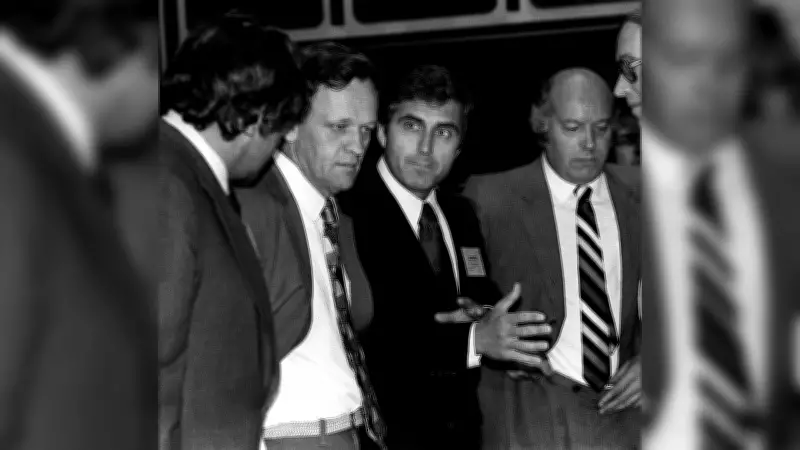
Morin served as Quebec's minister of intergovernmental affairs under Premier René Lévesque. He was instrumental in shaping the province's approach to constitutional negotiations with the federal government. His most notable appearance came on August 29, 1980, when he stood alongside then-federal Justice Minister Jean Chrétien and Saskatchewan's Roy Romanow at a press conference following official constitutional talks in Ottawa.
Key Role in Sovereignty Movement
Morin was a key architect of the PQ's sovereignty strategy. He authored several books on Quebec's constitutional aspirations and was a respected academic before entering politics. His influence extended beyond his ministerial role, as he helped craft the party's vision for an independent Quebec.

Despite his political prominence, Morin's later years were marked by controversy. In 1995, he admitted to having been an informant for the Royal Canadian Mounted Police during the 1970s, a revelation that shocked many in the sovereignty movement. He maintained that his actions were intended to protect Quebec's interests.
Legacy and Remembrance
Tributes have poured in from across the political spectrum. Current PQ leaders praised his dedication to Quebec's cause, while federal politicians acknowledged his role in shaping Canadian federalism. Morin is survived by his family, including his daughter Marie, a well-known Quebec actress.
His death comes as Quebec continues to debate its place within Canada. Morin's contributions to the sovereignty movement remain a subject of study and reflection for political scientists and historians.