An air quality warning has been officially issued for Toronto, alerting residents to potential high levels of air pollution expected to affect the city tonight. The advisory, announced on March 4, 2026, highlights concerns over deteriorating air conditions that could pose health risks, particularly for vulnerable populations.
Details of the Air Quality Alert
The warning, which went into effect earlier today, stems from forecasts indicating a significant buildup of pollutants in the atmosphere. Environmental agencies have noted that factors such as weather patterns and local emissions may contribute to the elevated pollution levels, leading to poor air quality that could persist into the night.
Health Implications and Precautions
Health officials are urging Toronto residents, especially those with respiratory conditions like asthma, children, and the elderly, to take precautions. Recommendations include limiting outdoor activities, keeping windows closed, and using air purifiers if available. The warning emphasizes that exposure to high pollution can exacerbate breathing difficulties and other health issues.

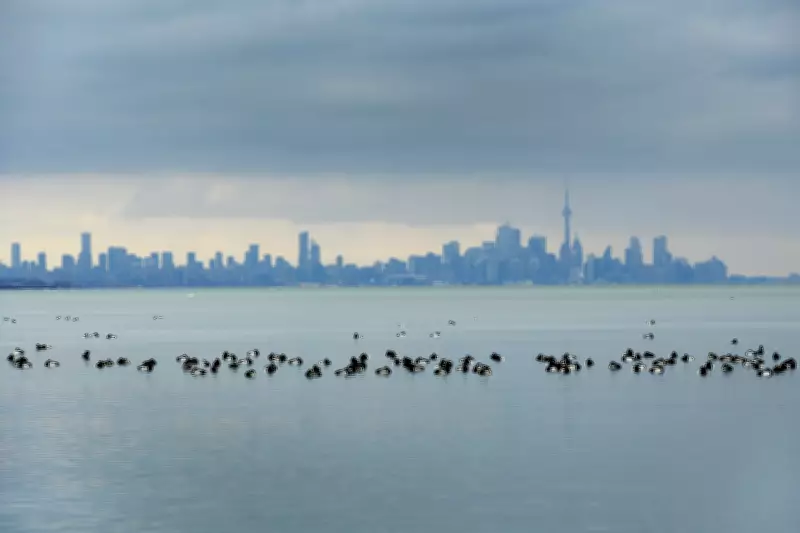
This alert comes amid broader environmental challenges in urban areas, with air quality becoming an increasing concern due to factors like industrial emissions and traffic. Toronto's skyline, often visible over Lake Ontario, may be shrouded in haze as a result of the pollution spike.
Context and Broader Environmental Trends
Air quality warnings are not uncommon in major cities, but this event underscores the ongoing need for monitoring and mitigation efforts. In recent years, similar alerts have been issued during periods of stagnant air or increased pollutant concentrations, reflecting a growing focus on public health and environmental stewardship.
Residents are advised to stay informed through local news and official channels for updates on the air quality situation. The warning serves as a reminder of the importance of reducing personal exposure to pollution and supporting initiatives aimed at improving air standards in urban centers like Toronto.