FX's 'Love Story' Series Fails to Add Depth to Kennedy-Bessette Romance
FX's new limited series, "Love Story: John F. Kennedy Jr. and Carolyn Bessette," attempts to delve into the high-profile relationship of the 1990s power couple, but ultimately falls short of providing fresh perspectives or meaningful exploration. Starring Sarah Pidgeon as Carolyn Bessette and Paul Anthony Kelly as John F. Kennedy Jr., the nine-episode anthology, created by writer-director Ryan Murphy, chronicles Bessette's transformation from a Calvin Klein publicist to the enigmatic wife of a presidential son.
A Glossy Yet Superficial Retelling
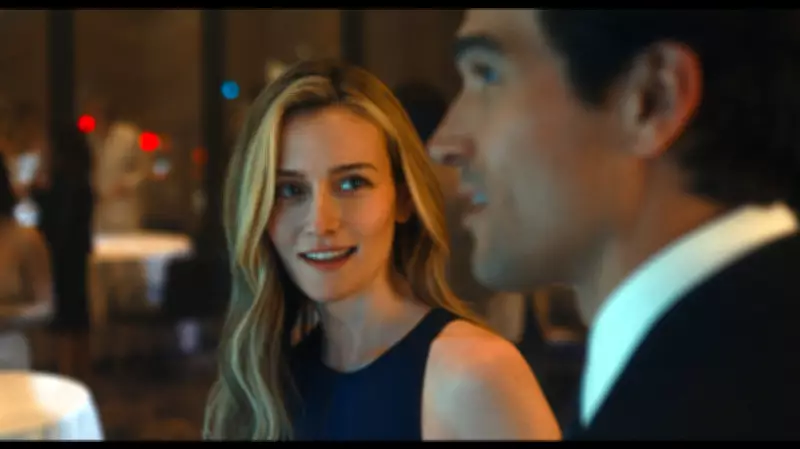
The series opens on July 16, 1999, with the tragic plane crash that claimed the lives of John, Carolyn, and her sister Lauren Bessette, played by Sydney Lemmon. After this somber beginning, the narrative rewinds to depict their lives before meeting, progressing through key relationship milestones: their introduction via Calvin Klein executive Alessandro Nivola, dating, separations, reconnection, engagement, secret wedding, and the strains of marriage under relentless paparazzi scrutiny.
Despite its high-quality production values—featuring meticulously curated wardrobe, sets, and styling to evoke the 1990s—the show relies heavily on surface-level elements. One critic aptly compared it to "hairography," referencing a term from Murphy's earlier series Glee, where style overshadows substance. Pidgeon's character, for instance, often uses tossed blonde hair to convey allure, mirroring the tabloid imagery that once flooded media but adding little emotional depth.

Missing the Emotional Core
Based on Elizabeth Beller's book, "Once Upon a Time: The Captivating Life of Carolyn Bessette-Kennedy," the series aims to reveal Carolyn's complexity and the couple's unraveling under public pressure. However, it struggles to move beyond well-known facts into genuine insight. The show highlights Carolyn's dilemma in choosing John "in spite of his life," as she states, but fails to explore why their bond was unique or why viewers should invest in their story.
A persistent theme is Carolyn's distrust of relationships, rooted in her parents' divorce, which she voices to John with the line, "Everything ends." His hopeful reply, "Not us," underscores their romance, yet the series dedicates insufficient time to what differentiated this relationship from John's past liaisons or why Carolyn embraced the sacrifices required. As a result, the narrative feels like a summarized timeline rather than an organic, unfolding love story.
Recycled Narrative and Lost Potential
The series' focus on John's infatuation and Carolyn's stylistic appeal often distracts from deeper emotional exploration. While it touches on pressures like paparazzi intrusion and Kennedy family expectations, these elements come across as repetitive tropes rather than novel analyses. The show's conjecture about their love and unraveling lacks originality, making it feel as irrelevant as decades-old tabloid photos.
Ultimately, Love Story misses a key opportunity: using famous couples as lenses to reflect on universal themes of love and choice. It briefly hints at tensions between selecting a partner and the life that accompanies them, but doesn't fully develop this idea. For audiences drawn to Kennedy lore or Murphy's productions, the series may offer entertainment, but it recycles familiar narratives without adding substantive value.
Availability and Viewing Details
The first three episodes of "Love Story: John F. Kennedy Jr. and Carolyn Bessette" are currently available for streaming on Hulu. New episodes air each Thursday on FX at 9 p.m. ET/PT, with subsequent availability on Hulu the following day. Despite its polished execution, the series serves as a reminder that even the most captivating real-life romances require more than glossy reenactments to resonate anew.