Brett Favre's Super Bowl Halftime Decision Draws Widespread Criticism
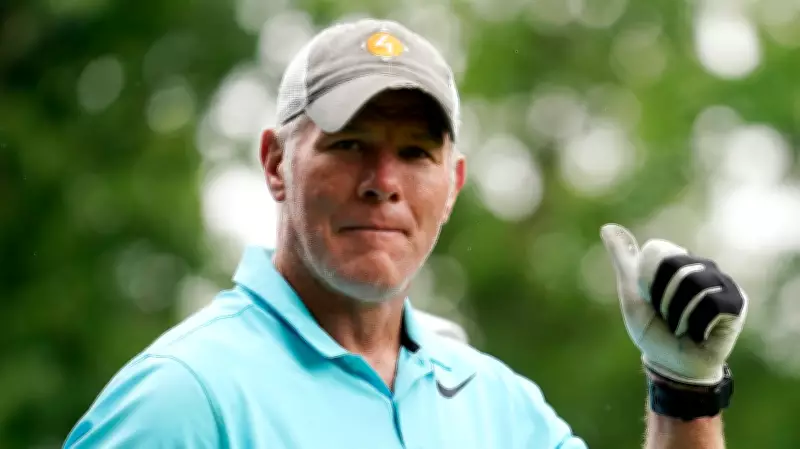
Legendary quarterback Brett Favre found himself at the center of a political and cultural firestorm this weekend after publicly declaring he would not be watching Bad Bunny's highly anticipated Super Bowl halftime performance. The Hall of Famer's explanation, posted on social media platform X, has sparked intense debate about cultural awareness, personal history, and the intersection of sports and politics.
Favre's Controversial Social Media Post
On Saturday, February 8, 2026, Favre made his position clear with a straightforward declaration: "Not familiar with Bad Bunny so don't know if his music is good or bad. I'm just going to watch what I know Lee Brice, Kid Rock All-American Halftime Show." The former Green Bay Packers star was referring to the alternative halftime show organized by conservative nonprofit Turning Point USA, which bills its event as a celebration of "faith, family and freedom."
Favre's lack of curiosity about the Puerto Rican superstar, who happens to be the most-streamed artist globally, immediately drew criticism from across the social media landscape. Many users interpreted his statement as emblematic of a broader cultural divide in contemporary America.

Social Media Backlash and Historical Context
The response to Favre's post was swift and multifaceted. Critics highlighted what they perceived as cultural insensitivity, while others connected his current stance to past controversies that have shadowed the football legend in recent years.
Several X users pointed to Favre's ongoing legal issues in Mississippi, where state authorities have accused him of improperly receiving $1 million in welfare funds. Although Favre repaid the principal amount and was not criminally charged, a 2024 state audit alleged he still owed approximately $729,000 in interest. Throughout these proceedings, Favre maintained he was unaware he had received the funds improperly.
Additional criticism focused on Favre's choice of Kid Rock as an alternative viewing option. Multiple users referenced disturbing lyrics from Kid Rock's 2001 song "Cool, Daddy Cool," which contains problematic references to underage relationships. This created an uncomfortable contrast with Turning Point USA's stated values of family and freedom.
Notable Reactions from Public Figures and Critics
The social media response included several particularly pointed critiques:
- Celebrity chef José Andrés offered a football analogy: "I didn't grow up knowing where the Packers played, what Lambeau Field was, or why people proudly wear cheese on their heads. I watched. I learned. And now I get it."
- User @lindseyyok made a direct comparison: "Bad Bunny gives back to his community instead of defrauding it, so you not being familiar 100% tracks."
- Sports commentator DUB highlighted the irony: "FOR THE FIRST TIME EVER ON SUPER BOWL SUNDAY TWO HALFTIME SHOWS: ONE FROM THE MOST-LISTENED TO ARTIST ON EARTH. ONE FROM A GROUP SO OBSESSED WITH 'NO POLITICS IN SPORTS' THEY BUILT THEIR OWN POLITICAL HALFTIME SHOW."
- Multiple users questioned Favre's repayment of the Mississippi welfare funds, with one posting a screenshot of news coverage about the outstanding interest payments.
Broader Cultural Implications
This incident highlights several significant cultural tensions in contemporary American society:

- The politics of cultural consumption: Favre's choice represents how entertainment preferences have become increasingly politicized in divided times.
- Athlete accountability: The response demonstrates how public figures' past controversies continue to shape public perception of their current actions.
- Generational and cultural divides: The contrast between Bad Bunny's global popularity and Favre's unfamiliarity speaks to evolving cultural landscapes.
- Social media as public square: The rapid, multifaceted response illustrates how platforms like X have become arenas for cultural and political debate.
While Favre's football legacy remains secure in the record books, this weekend's controversy demonstrates how quickly cultural and political considerations can overshadow athletic achievements in the public sphere. The incident serves as a reminder that in today's hyper-connected world, even seemingly simple entertainment choices can become lightning rods for broader societal debates.