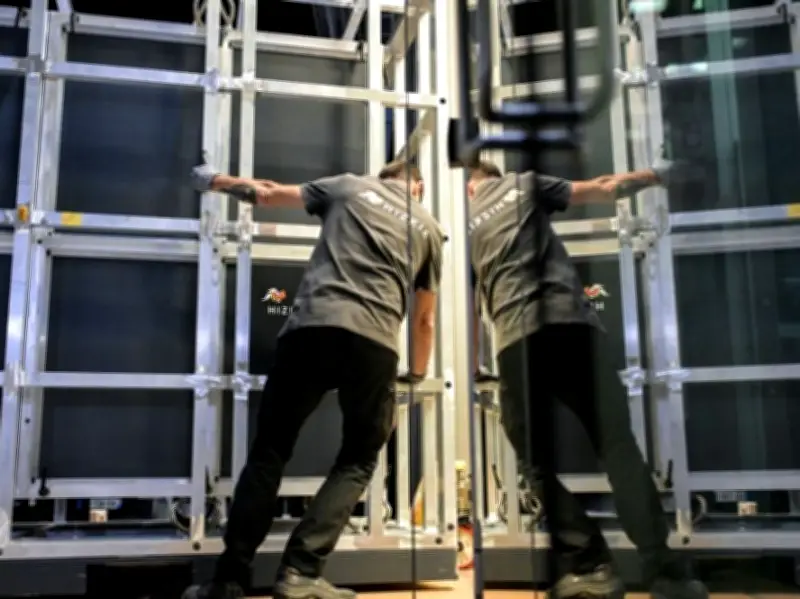
The Bayeux Tapestry, a 1,000-year-old masterpiece depicting the Norman Conquest of England, arrived in London early Friday morning after a secret overnight transfer from France. The 68-metre (224-foot) embroidered tapestry left its home in northern France on Thursday night and reached the British Museum just before 3:00 am (0200 GMT), escorted by police and transported in a shock-proof, temperature-controlled case. It is believed to be the first time the artwork has left France in more than 900 years and the first time it has been moved in over 40 years.
Secret Operation and Insurance
The hushed-up operation followed years of negotiations and logistical planning, including two test trips with a full-sized reproduction. The British government insured the delicate tapestry for £800 million (over $1 billion), and details of the transfer were kept secret until the last moment to ensure its safety. As the truck backed into the museum's rear gate, staff and a small media contingent, including AFP journalists, greeted it. “I've never been so excited to see a gate open,” one person remarked as the metal container was revealed.
Arrival and Acclimatization
British Museum director Nicholas Cullinan and French ambassador to the UK Helene Duchene were present as the hulking metal cage, weighing more than a tonne, was lowered from the truck and wheeled into the museum to applause. “It's a unique moment,” Cullinan told AFP. The tapestry will remain in its case for a “few days” to acclimatise and rest after its journey, explained project curator Millie Horton-Insch. “After which it will be unpacked, mounted, a full condition check will take place and then it will be put within its showcase,” in time for the exhibition opening on September 10.

Exhibition and Significance
The exhibition, running until July 2027, has already sold out 100,000 tickets for the first four months, reflecting record-breaking enthusiasm. French President Emmanuel Macron, who promised the loan a year ago, hailed what France and Britain “can achieve when they join forces” in an article in The Times. While its exact origins are unknown, the tapestry is widely thought to have been made in England before being transferred to Bayeux. “This is really about bringing two countries with this incredible showcase together to collaborate,” Cullinan said, acknowledging the tapestry as a “supreme work of art within French culture”. He added, “In some ways, you could say it feels like it's come home. But then it will be going truly home next year, when it returns back to Bayeux.”