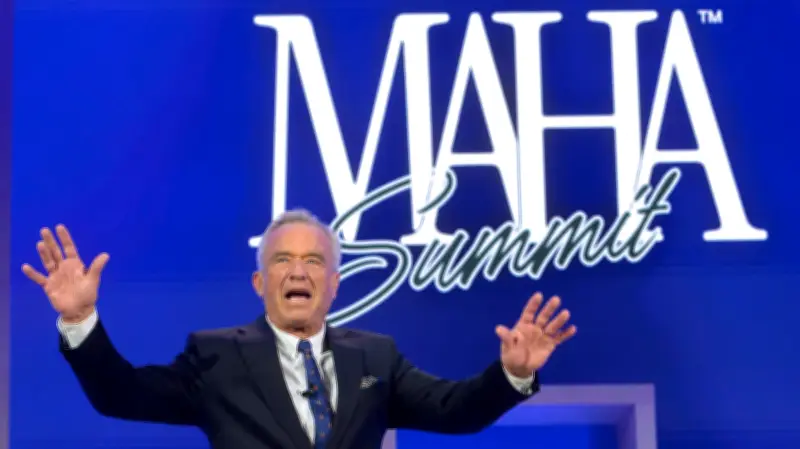
Eight months after the EPA pledged a formal MAHA agenda, no document has been released, leaving activists frustrated with the agency's deregulatory actions and lack of progress on chemical safety.
Background of the MAHA Agenda
In December 2024, after Make America Healthy Again (MAHA) activists petitioned for his removal, Environmental Protection Agency (EPA) administrator Lee Zeldin promised to release a formal agenda outlining the agency's priorities on harmful chemicals and health concerns. However, as of August 2025, the agenda has not been produced. An EPA spokesperson stated that MAHA is an ongoing effort, not a single report.
This reversal has disappointed Health Secretary Robert F. Kennedy Jr.'s MAHA movement, with activists losing faith that the Trump administration will take significant action on pesticides, chemicals, and other issues linked to chronic disease. The EPA has instead pursued a relentless rollback of environmental regulations.

Activists Express Frustration
Kelly Ryerson, known as "Glyphosate Girl," said, "I had really hoped that there would be specific steps that were taken through a MAHA agenda. We haven’t had any of the wins that we were requesting." Many MAHA activists, whom Trump credits for helping him win re-election, plan to vote on issues over party in the November congressional elections, raising political stakes.
Alexandra Muñoz, a molecular toxicologist, said, "People are done with the profits of corporations being prioritized over public health. And I think that will have an important role in the midterms."
EPA's Deregulatory Actions
Under Zeldin, the EPA has pursued aggressive deregulation, including proposing to overturn the finding that climate change threatens human health, rolling back dozens of environmental regulations, freezing clean energy funds, and loosening pollution limits. Zeldin has touted "MAHA wins," such as regulating phthalates for environmental and workplace risks, but activists note this does not address consumer products containing these chemicals.
The EPA diverted from past assurances that the MAHA report was in its "final stages," stating that the agency's actions should speak for themselves. Ryerson noted occasional successes, like working with the administration on regenerative agriculture, but said the EPA then used the order to justify new herbicide uses, calling it a "slap in the face."
Supreme Court Ruling and Microplastics Reversal
The Supreme Court dealt a blow to MAHA by siding with pesticide maker Bayer on legal liability for Roundup. The Trump administration backed Bayer. Separately, the EPA included microplastics on a list of contaminants for potential regulation under the Safe Drinking Water Act in April, but reversed course in June, not including them in a mandatory testing program. Betsy Southerland, a former EPA official, called this a "classic Zeldin bait-and-switch."
Industry Influence at EPA
Former industry lobbyists now hold key roles at the EPA. Kyle Kunkler, a former soybean industry lobbyist, leads pesticide policy, and the agency allowed continued use of dicamba, linked to cancer risks. Nancy Beck and Lynn Dekleva, former American Chemistry Council executives, hold senior positions. Zen Honeycutt of Moms Across America said this is "what happens when the EPA allows itself to be pressured by corporations."
The EPA maintains that MAHA has driven its work, citing $945 million in grants for PFAS reduction and identifying 30 drinking water contaminants for monitoring. But Ryerson believes the lack of a promised agenda is a tactic to avoid accountability: "It absolves them of any failures, especially when it comes to midterms."