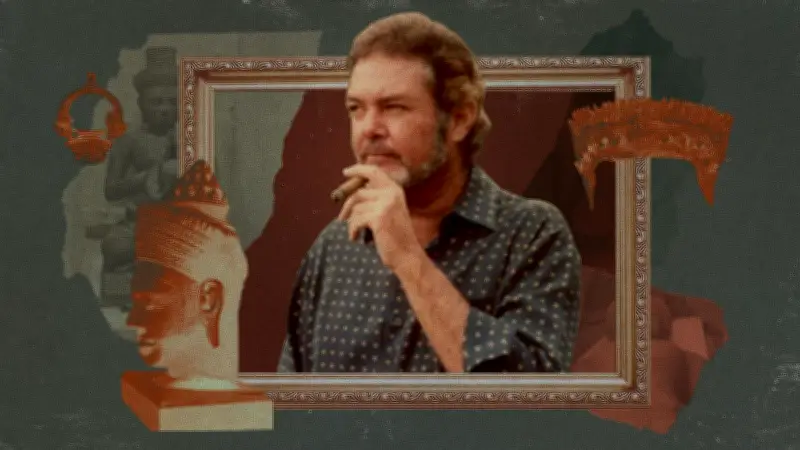
An in-depth investigation has uncovered how the late British antiquities dealer Douglas Latchford amassed millions of dollars through an elaborate international looting network. Once trusted by museums, auction houses, and billionaire collectors, Latchford is now considered one of the art market's most toxic figures.
The Looting Network
Latchford's operation involved the illegal excavation and smuggling of ancient artifacts from countries like Cambodia, Thailand, and India. These items were then sold to prestigious institutions and private collectors, often with forged provenance documents.
Key Findings
- Forged Provenance: Latchford created fake histories for looted artifacts to make them appear legitimate.
- Global Reach: The network spanned multiple continents, with connections in Southeast Asia, Europe, and North America.
- High-Profile Clients: Museums and wealthy collectors unknowingly purchased stolen goods.
The investigation reveals that Latchford's activities were enabled by a lack of oversight in the art market. Experts say that many institutions failed to perform due diligence, allowing looted artifacts to enter their collections.

Impact on Cultural Heritage
The looting network has caused irreparable damage to cultural heritage sites. Countries like Cambodia have lost countless artifacts that hold deep historical and religious significance. Recovery efforts have been hampered by the difficulty of tracing looted items.
Reactions
Officials from affected nations have called for stricter regulations. "This case highlights the need for transparency in the art trade," said a spokesperson for the Cambodian Ministry of Culture. "We must ensure that our cultural treasures are protected."
Latchford's estate has faced legal challenges, with some artifacts being repatriated. However, many items remain in private collections or museum storage, their true origins hidden.
Broader Implications
The scandal has prompted calls for reform in the antiquities market. Auction houses and museums are now under pressure to verify the provenance of artifacts more rigorously. Some have implemented new policies to prevent similar incidents.
This case serves as a cautionary tale about the dark side of the art world, where greed and negligence can lead to the loss of humanity's shared heritage.