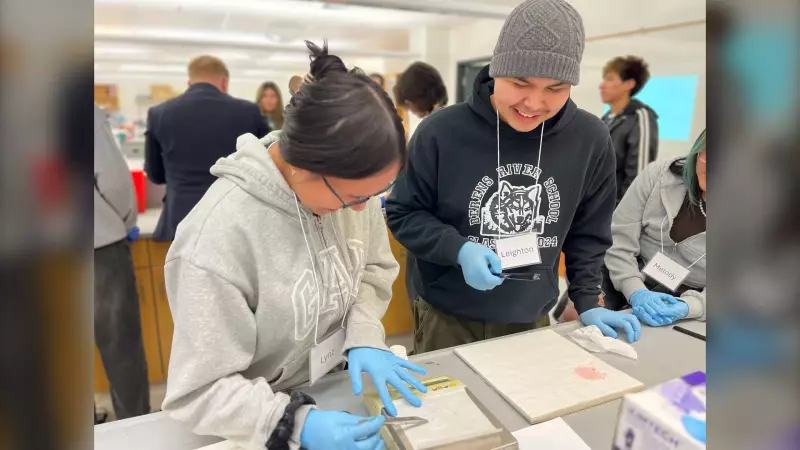
On January 15, 2026, a group of Indigenous high school students from Winnipeg took a significant step toward potential futures in medicine and science. They participated in an introductory health-care program at the University of Manitoba, gaining firsthand experience in a professional laboratory setting.
Hands-On Learning in a University Lab
The event, held at the University of Manitoba's Rady Faculty of Health Sciences, saw Grade 12 students from Southeast Collegiate engage in practical lessons. Under guidance, students like Lynzee Keeper and Leighton Green learned to formulate sunscreen inside a state-of-the-art pharmaceutical lab. This immersive experience was designed to demystify post-secondary health sciences education and provide tangible skills.
Building Pathways for Future Careers
The program's core mission extends beyond a single day of activities. It aims to spark interest in health-care professions among Indigenous youth, addressing underrepresentation in the field. By experiencing university-level work early, students can better envision themselves pursuing related studies. The initiative supports the broader goal of empowering these future professionals to "change lives back home" by bringing critical skills and knowledge to their communities.

A Step Toward Reconciliation in Health Care
This introductory program represents a practical move toward Indigenous reconciliation within Canada's education and health sectors. By creating accessible pathways and early exposure, institutions like the University of Manitoba are working to foster a more diverse and representative generation of health-care workers. The experience on January 15th provided not just scientific knowledge, but also confidence and a sense of possibility for the participating students.
Events like these are crucial for building a health-care system that reflects and understands the communities it serves. The students' hands-on work in the lab may well be the first step in a journey that leads to meaningful change both in their own lives and in the wellness of Indigenous populations across the country.