The U.S. Department of Defense has issued a directive to the editors of Stars and Stripes, the independent newspaper serving American troops, mandating the removal of content it labels as 'woke distractions.' The order, reported on January 15, 2026, represents a significant intervention into the publication's editorial operations.
Directive Targets Editorial Content
According to the report from The Associated Press, Pentagon officials communicated the new policy directly to the newspaper's leadership. The term 'woke distractions' was not explicitly defined in the initial coverage, but it is understood to refer to content covering social justice issues, diversity, equity, and inclusion (DEI) initiatives, and related topics. The directive demands that the paper's focus return squarely to traditional military reporting and news deemed directly relevant to service members.
Stars and Stripes has a storied history dating back to the American Civil War and is renowned for providing uncensored news to U.S. forces deployed around the world. It operates with editorial independence, though it receives funding from the Department of Defense. This move raises immediate questions about the preservation of that independence under the current administration's policy preferences.

Historical Context and Potential Fallout
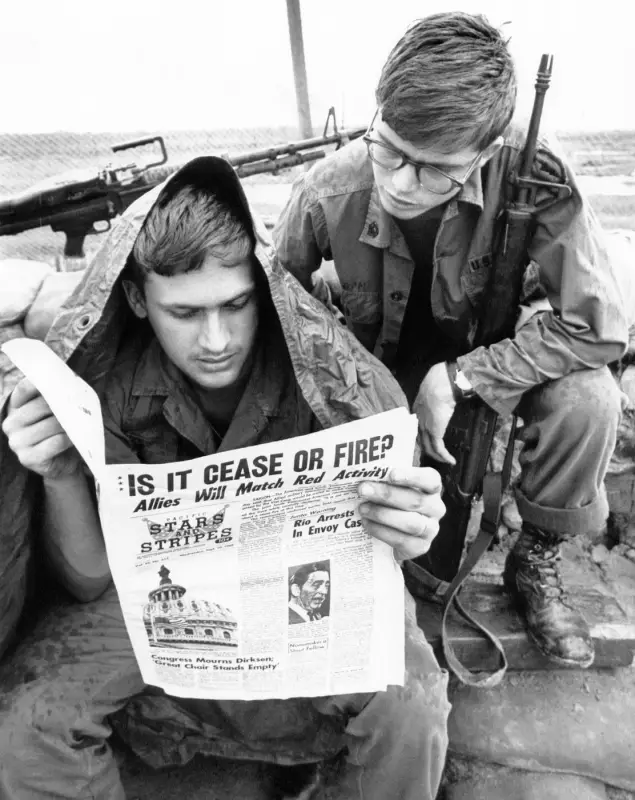
The newspaper has long been a vital lifeline for troops stationed overseas, offering a blend of news from home, in-depth reporting on military affairs, and investigative journalism. A iconic photograph from September 10, 1969, shows a GI with the U.S. 25th Infantry Division reading the paper in Cu Chi, South Vietnam, underscoring its deep-rooted role in military culture.
Media advocates and First Amendment watchdogs are likely to scrutinize this order closely. Critics may argue that dictating content based on vague, politically charged terminology compromises the paper's integrity and its mission to serve the troops with impartial reporting. The directive could lead to internal strife within the newsroom and potentially affect morale among readers who value the publication's comprehensive coverage.
Implications for Military Media and Beyond
This development is more than an internal editorial shift; it signals a broader policy stance from the U.S. defense establishment regarding the type of information disseminated within its ranks. The order to purge specified content sets a precedent for how military-funded media entities navigate politically sensitive topics.
The long-term consequences remain uncertain. The directive could result in a noticeable change in the paper's tone and subject matter, potentially alienating a segment of its readership. Conversely, it may be framed by supporters as a refocusing on core military issues. The situation highlights the ongoing tension between governmental authority and press freedom, even within institutions traditionally associated with strict hierarchy.
As the story develops, observers will be watching for reactions from military families, veteran groups, and journalism organizations. The implementation of this order and the response from the editors and reporters at Stars and Stripes will define the next chapter for this historic publication.